You mention a product out loud, and an ad for it shows up an hour later. It feels like proof your phone is listening. The real explanation is stranger, and in some ways more unsettling.

A digital privacy researcher I once interviewed, someone who spent three years analyzing app permissions and network traffic for a university lab, told me something that reframed this entire debate for me. “People are asking the wrong question,” she said. “It’s not whether your phone can hear you. It’s how much it already knows without needing to.”
You’re having a casual conversation about a vacation, or a new pair of running shoes, and within hours an ad for exactly that shows up in your feed. It feels too precise to be coincidence. So the natural conclusion is that your phone was listening the whole time. The truth is more layered than a simple yes or no, and understanding it requires looking at what’s technically possible, what’s been tested, and what’s actually happening instead.
What Your Phone Is Technically Capable Of
Smartphones do have microphones that are always in a low power listening state, but only for a very specific purpose: detecting a wake word like “Hey Siri” or “Hey Google”. This detection happens locally on the device using a small, specialized chip designed to recognize only that specific phrase pattern, not full conversations. Everything else you say is not supposed to be processed or sent anywhere unless that wake word is detected first.
This distinction matters enormously. A chip listening for one phrase pattern is fundamentally different from a system recording and analyzing everything you say all day.
What Researchers Have Actually Found
Multiple independent studies, including audits by security researchers and academic institutions, have tested this claim directly by having phones sit near staged conversations about specific products, then monitoring network traffic for any unusual data being sent. The overwhelming pattern across these studies is the same: no evidence of continuous audio being secretly recorded and transmitted for advertising purposes. Voice data usage that does occur tends to align with legitimate voice assistant activations, not ambient conversation.
This doesn’t mean it’s impossible in a technical sense, but it does mean that despite years of researchers actively looking for evidence of this exact behavior, nobody has produced a documented case of a mainstream phone secretly harvesting ambient conversations for advertising.
So Why Does It Feel So Accurate
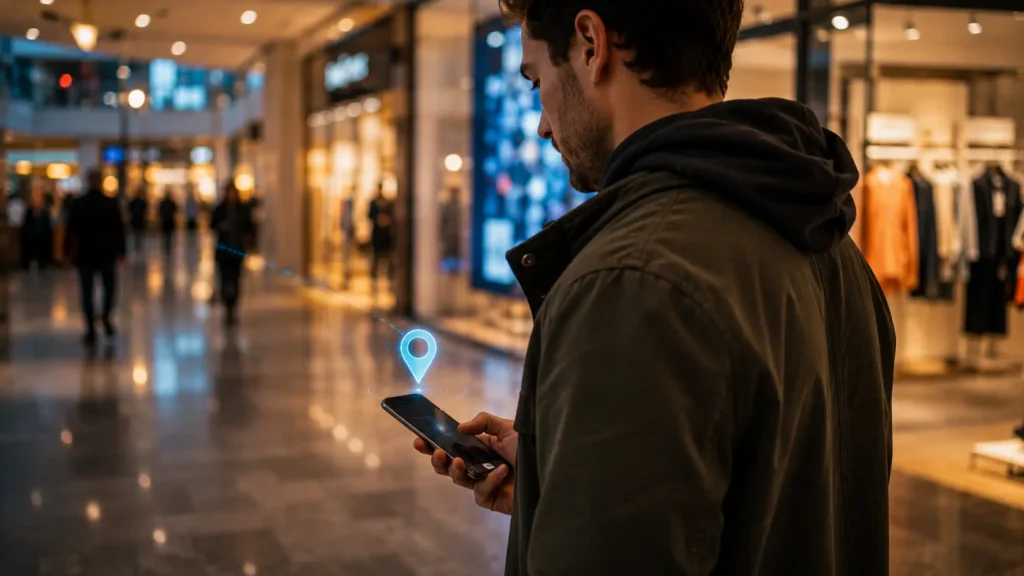
Here’s where the researcher’s comment becomes relevant. Your phone doesn’t need to hear you talk about running shoes, because it already has other ways of knowing you’re thinking about them. Location data reveals you walked past a sporting goods store. Browsing history shows you looked at running shoes on a website last month. Your search history includes a query about marathon training. Your social media activity shows you liked a post from a running club. Individually, each signal seems harmless. Combined, they create a profile detailed enough to predict your interests with startling accuracy, often before you’ve consciously acted on them yourself.
A Real World Example
The researcher once described a test her lab ran using a phone with all voice assistant features fully disabled, sitting untouched in a room where two people casually discussed buying a specific brand of coffee maker they had never searched for online. No ads for that brand appeared over the following days. In a separate parallel test, a phone with location and Wi-Fi services active was carried into a home appliance store for eleven minutes, with no conversation about coffee makers at all. Ads for kitchen appliances appeared within two days. The pattern was location and behavioral data, not audio.
Why The Timing Feels So Suspicious
Confirmation bias plays a massive role here. You have dozens of conversations every single day that never get followed by a relevant ad. You only notice and remember the handful of times an ad happens to align with something you said, because that coincidence feels remarkable enough to mention to someone else. The far more common outcome, an ad appearing with no correlation to your conversations at all, simply doesn’t register as memorable or worth talking about.
Where The Real Privacy Concern Actually Lives
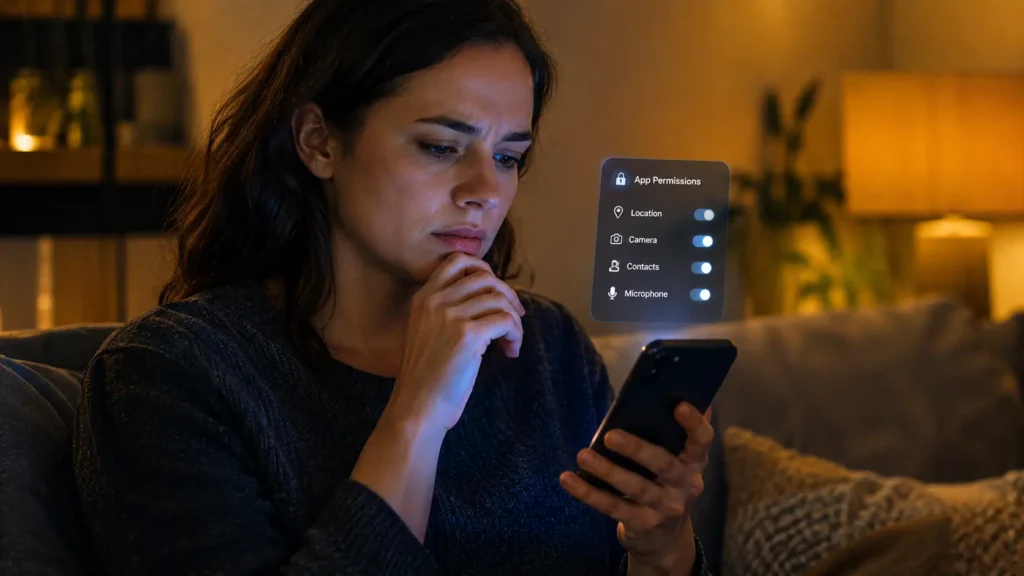
None of this means privacy concerns around smartphones are overblown. If anything, the ad targeting system is more comprehensive than casual eavesdropping would even need to be. Apps request an enormous range of permissions, location, contacts, browsing behavior, app usage patterns, and combine that data across advertising networks to build profiles that are frequently more accurate than a human eavesdropper could achieve simply by listening in.
This is also why permission settings matter so much more than most people realize. Checking which apps have microphone, location, and background data access, and revoking permissions that aren’t genuinely necessary, does far more to limit tracking than worrying about whether your phone is secretly recording conversations.
The Real Takeaway
Your phone probably isn’t listening to your conversations in the way most people imagine, but it doesn’t need to. It already has access to a web of behavioral, location, and search data detailed enough to predict your next purchase without ever needing to hear a single word you say. In some ways, that’s a more accurate picture of modern privacy than the listening theory ever was, and arguably something worth taking more seriously, not less.
Read also: What Happens When You Click Accept All Cookies and How AI Decides Which Advertisement Is Worth Showing You
© AiwalaNews | Global Tech & Privacy Edition | April 2026
