A stock’s price doesn’t reflect what a company is worth. It reflects what one buyer and one seller just agreed on, thousands of times a second.
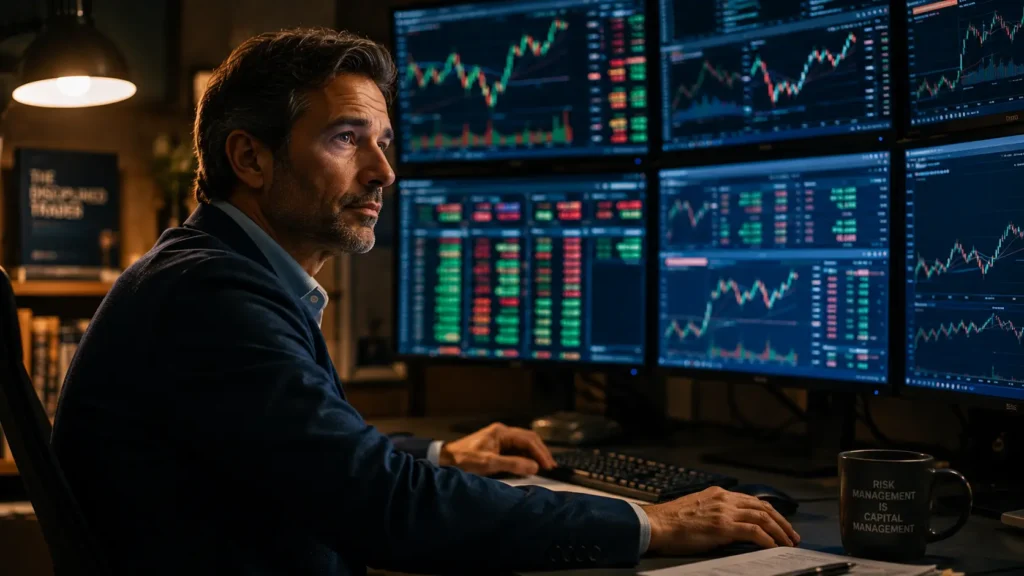
A former equity trader I once spoke with, someone who spent eight years on a trading floor before moving into fintech, told me something that reshaped how I think about the stock market entirely. “People think there’s a number somewhere that represents a stock’s true value,” he said. “There isn’t. There’s just the last price two people agreed to trade at.” That single idea unravels most of the mystery behind how prices move every second the market is open.
You glance at a stock ticker and watch a number flicker up and down every few seconds, sometimes wildly, sometimes barely at all. It feels like something enormous and complicated must be happening behind that number. In a sense, it is, but not in the way most people imagine. There’s no committee deciding a stock’s price. There’s just an enormous, continuous auction happening faster than any human could follow.
The Price Is Just The Last Trade
At its core, a stock’s displayed price is simply the price at which the most recent trade occurred. Nothing more mystical than that. If someone was willing to sell a share for $142.50 and someone else was willing to buy it at that exact price, that trade executes, and $142.50 becomes the new quoted price. The moment the next trade happens, even a few seconds later, the price updates again based on whatever those two parties agreed to.
This is why a stock’s price can move even without any major news. It’s not always evidence of some hidden signal. Sometimes it’s simply the natural push and pull of buyers and sellers meeting at slightly different price points throughout the day.
Bid and Ask, The Two Numbers Behind One Price
Every stock actually has two prices at once, not one. The bid is the highest price someone is currently willing to pay, and the ask is the lowest price someone is currently willing to accept. The gap between them is called the spread. When a buyer is willing to pay the ask price, or a seller accepts the bid, a trade executes and that becomes the new displayed price.
Highly traded stocks like major tech companies often have a spread of just a penny or two, while lightly traded stocks can have wider gaps, sometimes even a full dollar or more, because there simply aren’t as many buyers and sellers actively quoting prices at any given moment.
Market Makers Keep The System Moving
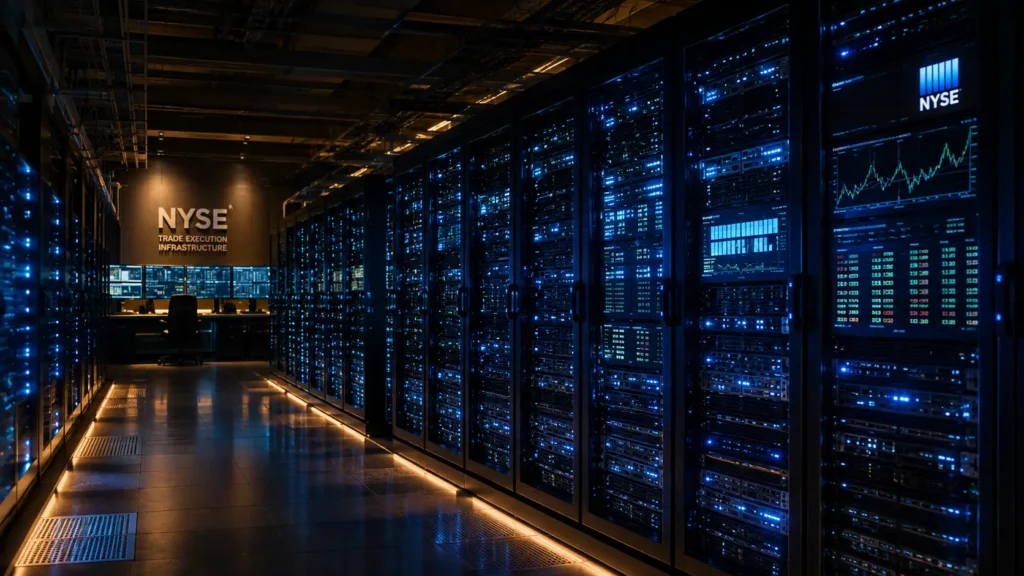
If you’ve ever wondered how there’s almost always someone willing to buy or sell a share instantly, that’s largely the job of market makers. These are firms whose entire business model is standing ready to buy or sell shares continuously, profiting off the small spread between bid and ask prices rather than betting on which direction a stock will move. Without them, trading would be slower and far more unpredictable, since buyers and sellers wouldn’t always show up at the same time.
A Real World Example
The former trader once described watching a mid cap stock’s price swing nearly two percent in under ten seconds, with zero news attached to the move at all. What actually happened was far less dramatic. A single large institutional order, an algorithm executing a scheduled trade for a pension fund, hit the market and briefly outpaced the available sellers at the current price. The system simply matched that order against the next best available prices until it was filled, pushing the displayed price up temporarily before it settled back down once normal trading resumed. To anyone watching the ticker, it looked like panic. In reality, it was just one large order working its way through a thin order book.
Algorithms Now Dominate The Process
The vast majority of trades executed on any given day aren’t placed by individual humans clicking buy or sell. They’re placed by algorithmic trading systems, computer programs designed to react to price changes, news headlines, and even trading patterns from other algorithms, all within milliseconds. This is part of why prices can move so quickly during volatile moments. Machines are reacting to each other’s trades far faster than any human trader ever could, creating rapid feedback loops that either stabilize a price quickly or occasionally amplify a swing before slowing back down.

Why News Moves Prices So Fast
When a company announces earnings, a merger, or unexpected news, prices can shift dramatically within seconds because algorithms are specifically built to parse headlines and adjust trading behavior instantly. A single earnings report can trigger thousands of automated buy or sell orders within moments of being released, long before most individual investors have even finished reading the headline.
Why The Price You See Isn’t Always The Price You Get
This is also why the price on your screen when you decide to buy a stock isn’t guaranteed to be the exact price you’ll pay. By the time your order reaches the exchange, even a fraction of a second later, the price may have already shifted slightly due to new trades happening in that gap. For highly liquid stocks this difference is usually negligible, but during volatile periods it can be more noticeable.
The Real Takeaway
A stock’s price isn’t a judgment handed down by some central authority measuring a company’s true worth. It’s the running result of millions of individual decisions, human and algorithmic, colliding in real time, each one nudging the price slightly based on what someone was willing to pay and someone else was willing to accept at that exact moment. The number on the screen updates every second not because the company’s value changes that fast, but because the negotiation behind it never actually stops.
Read also: How Banks Detect a Fraudulent Purchase Seconds After You Make It and Why Some Paychecks Get Taxed More Than Others, Explained Simply
© AiwalaNews | Global Tech & Privacy Edition | April 2026
