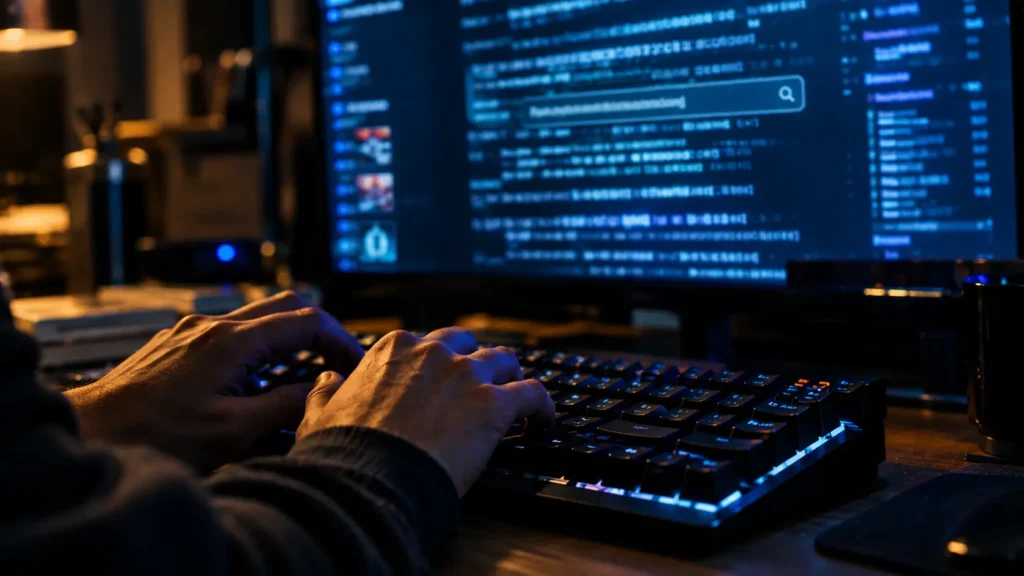
Most people think their email address is harmless. It sits at the top of every form, every signup, every newsletter. It feels as ordinary as a name tag. But on hidden marketplaces that most of us will never see, that same email address is treated as a small, valuable asset. Not because it is rare, but because of everything it unlocks.
Security researchers who track underground forums say corporate email and password combinations are currently selling for around $5 to $15 each, with bulk lists of thousands going for pennies per record. On the personal side, basic details like a name paired with an email often trade for under $15, while a full identity package built around that same email can run anywhere from $20 to $100. It sounds cheap, almost insulting. But cheap is exactly what makes it dangerous.
It Is Not About the Email. It Is About What It Opens.
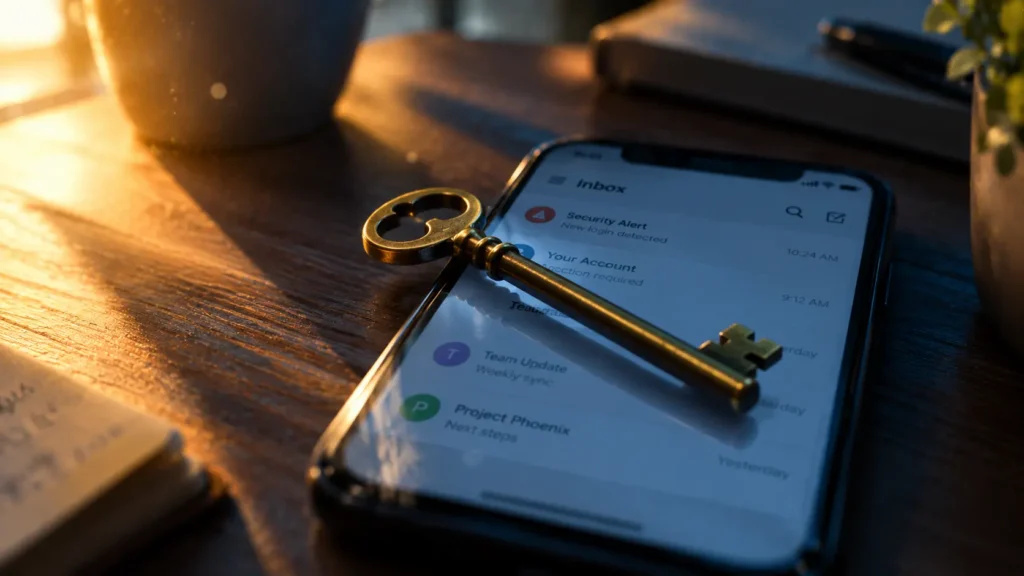
Think of your email inbox as the master key to a building full of smaller rooms. Your banking app, your social accounts, your cloud storage, your work login, all of them are connected back to that one address through password resets and verification codes. A criminal does not need to break into your bank. They just need to get into your inbox first.
Priya, a marketing coordinator in her late twenties, learned this the hard way. She used the same email for a fitness app she had forgotten about since 2021. That app was breached. Her email, name, and an old hashed password ended up bundled into a leaked dataset that was later resold on a forum. Months later, she noticed login attempts on her main email provider. Nothing had been stolen from the fitness app directly. What mattered was the trail it left behind.
This is the quiet mechanism behind most account takeovers. Analysts at Verizon found that stolen credentials played a role in roughly 22 percent of all breaches they studied last year. It is rarely a single dramatic hack. It is usually a chain of small leaks stitched together.
The Marketplace Behind the Curtain
Dark web forums do not look like the shadowy caves people imagine from movies. Many operate more like discount retail sites, complete with search filters, seller ratings, and refund policies for buyers who feel cheated. Threat intelligence firm KELA has reported that compromised credential volumes reached into the billions during 2025 alone, much of it fed by infostealer malware quietly harvesting saved logins from infected devices.
Emails tied to corporate domains carry an extra premium. A message from a company inbox is a foothold. Criminals use it to attempt what security teams call business email compromise, sending convincing internal looking messages that trick coworkers into wiring money or sharing sensitive files. IBM’s threat researchers noted an 84 percent jump in infostealer malware delivered through phishing campaigns in a single year, a sign that the pipeline feeding these markets is only getting faster.
Why Your Email Is the Anchor of Your Identity
Every password reset link goes to your email. Every two factor code often lands there too, unless you have moved to an authenticator app. That makes the inbox itself the single point of failure for almost everything else you own online.
Once a criminal controls or monitors an email account, they can quietly request password resets across dozens of services, watch for the incoming links, and take over accounts one by one without ever alerting the original owner. This slow, patient method is far more common than the smash and grab style hacking most people picture.
A separate 2026 study from NordVPN and NordStellar analyzed close to 75,000 dark web listings and found a complete identity package, built around an email and a few supporting details, selling for roughly $35. Less than the cost of filling a car with gas. That low number is not comforting. It reflects just how much stolen data already exists, and how easily buyers can layer small leaks into a full profile.
What Actually Helps
There is no single fix, but a few habits genuinely reduce your exposure.
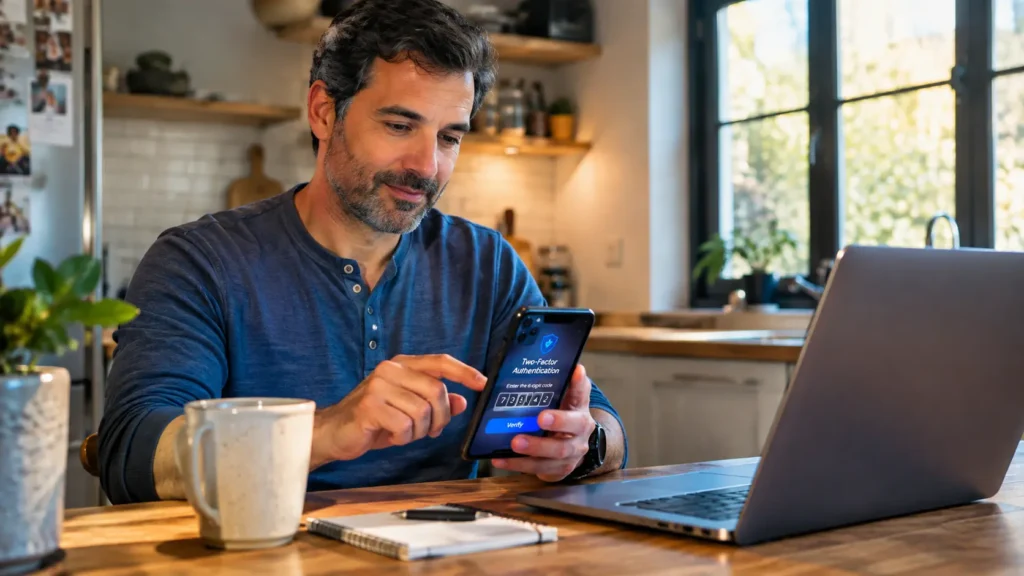
Use a unique email for financial accounts, separate from the one you use for shopping or signups. This limits how far a single breach can spread. Turn on two factor authentication using an app rather than SMS wherever it is offered, since SMS codes can be intercepted more easily. Check whether your email has already appeared in known breaches using a reputable, free lookup tool, and change any reused passwords immediately if it has.
Also, treat old, forgotten accounts as loose ends. That fitness app you signed up for once, that forum you joined years ago, they are often the weakest link because you have stopped paying attention to them. Deleting unused accounts, when possible, closes doors you forgot were even open.
The Bigger Picture
None of this means panic is the right response. It means awareness is. Your email address was never meant to be a secret, but the trust placed in it by dozens of other services is what gives it value to someone who should not have it. Understanding that value is the first real step toward protecting it.
The dark web does not need your bank password to hurt you. Sometimes, your email address and a little patience is all it takes.
Read also this: The Hidden Cost of Free Apps: How Your Data Pays the Bill
Read also this: Two Factor Authentication: The One Habit That Blocks Most Hackers
(Note: I have used your homepage link with suggested topic titles since I do not have access to your actual published article catalog. Swap in the exact URLs and titles of your real posts before publishing.)
© AiwalaNews | Global Tech & Privacy Edition | April 2026
