This article is based on verified platform documentation, creator economy research, and publicly available earnings data from 2026. Earnings figures reflect real reported ranges and vary based on niche, engagement, and monetization method.
The creator economy in 2026 isn’t a side hustle conversation anymore. It’s a documented, structured income stream and the platforms driving it have quietly become some of the most generous direct-payment systems available to ordinary Americans with a phone and something worth saying.
But here’s the part most people get wrong: not all platforms pay equally, and the one with the most users is often not the one writing the biggest checks. Understanding which platform pays what and how is the difference between posting into the void and building something that actually pays.
The creator economy keeps growing, yet more than half of creators bring in under $15,000 a year from their content showing just how important it is to find platforms that actually pay. The platforms below are the ones where that number looks different.
YouTube: Still the Gold Standard
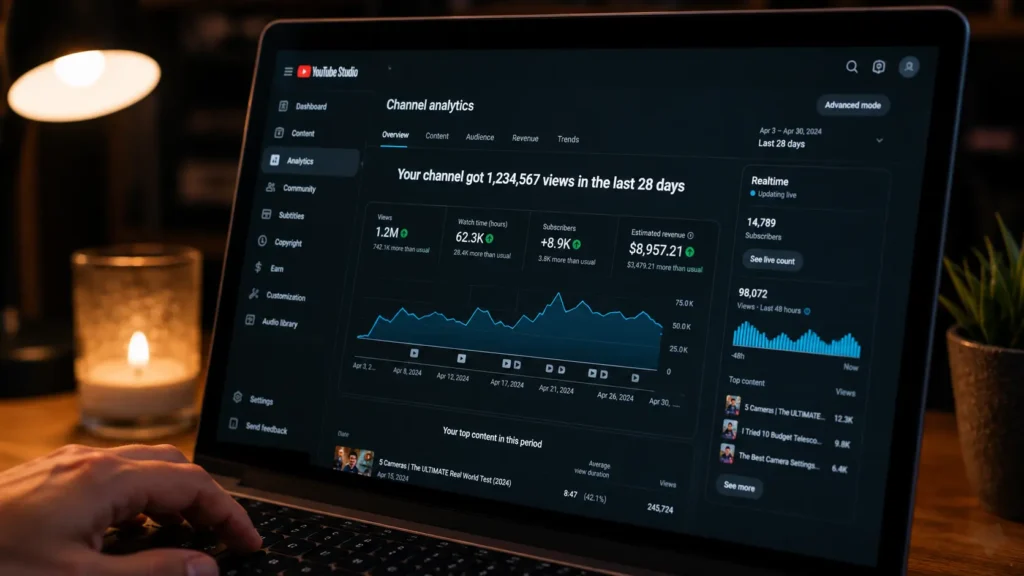
According to research across 1,500 monetizing creators, YouTube is the top platform for generating income at 28.6% ahead of every other platform.
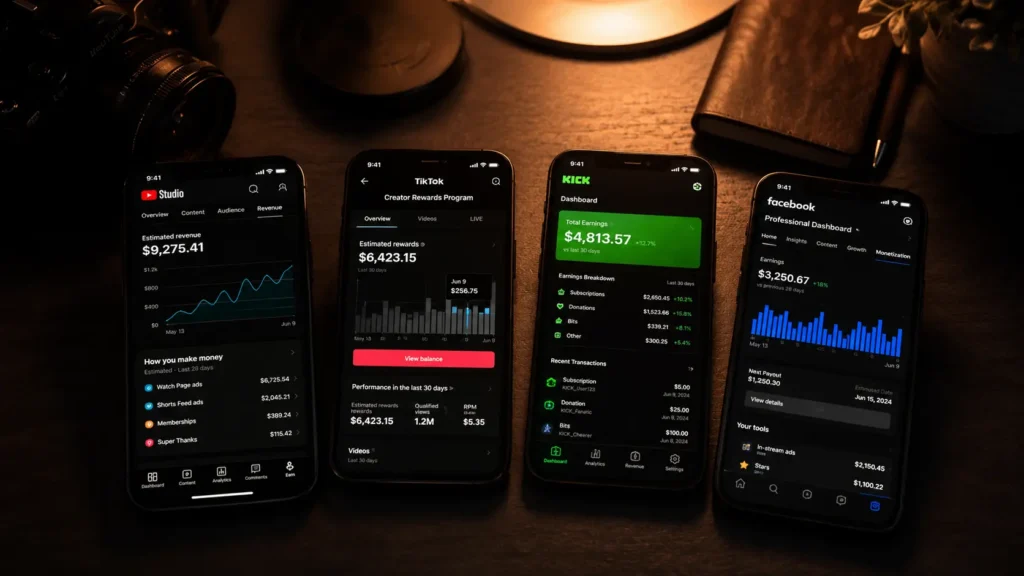
YouTube still leads when it comes to ad revenue from long-form content. YouTube pays creators per ad view through the YouTube Partner Program, and the average RPM for long-form videos is approximately $3 per 1,000 views versus just $0.05 for YouTube Shorts.
YouTube’s monetization ecosystem is broad: ad revenue, channel memberships, Super Chat during live streams, Super Thanks on regular videos, and YouTube Shopping integration. The long-form RPM advantage is significant a video that earns 500,000 views generates roughly $1,500 in ad revenue alone, before any additional monetization.
Super Chats allow viewers to pay between $1 and $500 to have their messages highlighted during live streams creators receive 70% of that before taxes.
The catch: YouTube Partner Program requires 1,000 subscribers and 4,000 watch hours before monetization unlocks. It’s the highest bar of any major platform — but the earning ceiling is also the highest.
TikTok Creator Rewards Program: The Volume Play
TikTok sits at 18.3% of creators’ top income sources second only to YouTube and its newer Creator Rewards Program has significantly improved direct payouts compared to the original Creator Fund.
TikTok is rapidly improving creator payouts, especially for short-form content combined with brand deals. The Creator Rewards Program pays significantly more than the old Creator Fund roughly $0.40 to $1.00 per 1,000 views for qualifying content, compared to the old fund’s $0.02 to $0.04.
The qualification requirements are specific: videos must be at least one minute long, original, and meet minimum engagement thresholds. Repurposed or low-effort content is excluded from the program which is why creators who build around genuine value consistently out-earn those chasing trend duplication.
For a creator averaging 2 million views per month on qualifying content, the Creator Rewards Program alone generates $800 to $2,000 monthly before brand partnerships.
Kick: The Platform Paying Streamers 95%
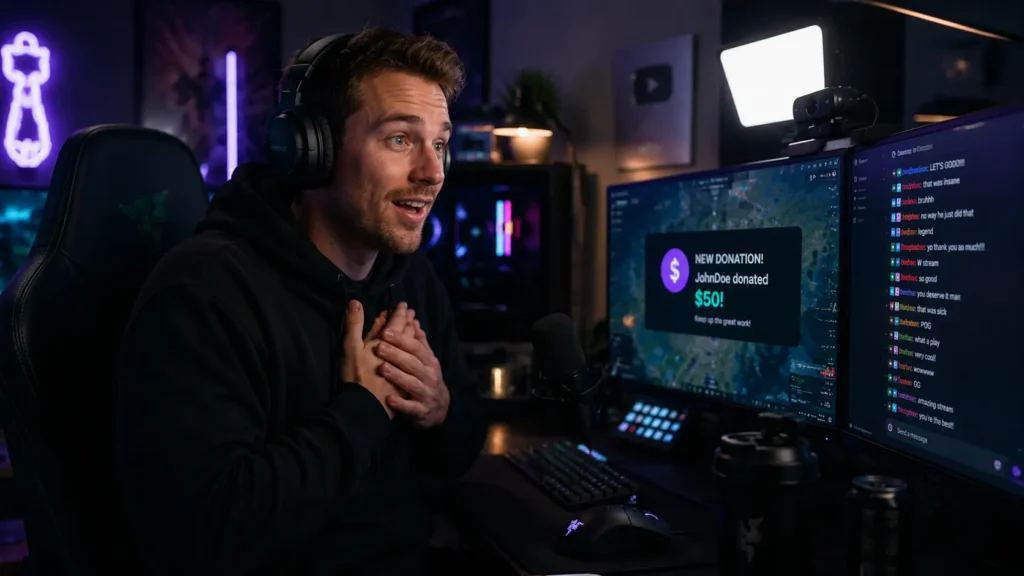
If live-streaming is your focus, Kick is one of the fastest-growing platforms for creators in 2026 favored by gamers, lifestyle streamers, and talk-show style creators thanks to its 95/5 revenue split, meaning you keep 95% of subscription earnings.
Kick’s 95/5 split is the most creator-friendly revenue share of any major streaming platform significantly better than Twitch’s standard 50/50 split for most streamers.
Kick also allows fan tips and donations during streams, with low payout thresholds that make it accessible for mid-size creators who haven’t reached Twitch’s higher monetization bars. For a streamer with 500 subscribers paying $5 monthly, Kick generates approximately $2,375 monthly after the platform’s 5% cut. The same subscriber count on Twitch at standard revenue share generates roughly $1,250.
Facebook: Steady Income for Video Creators
Facebook sits at 16.5% of creators’ primary income sources third overall making it a more significant earner than most people assume.
Facebook’s monetization ecosystem is broad, performing well especially for creators focused on long-form video, community engagement, and live interaction including Facebook Live monetization and subscription-style offers.
Facebook’s In-Stream Ads program pays creators a share of ad revenue for videos over one minute. The platform skews toward an older demographic with higher purchasing power which means CPMs (the rate advertisers pay per 1,000 views) are often higher than TikTok or Instagram, making the per-view earnings more meaningful for creators in finance, health, and home improvement niches.
Instagram: Reach First, Money Elsewhere
Instagram’s direct payment situation is worth understanding honestly.
Instagram does not pay creators per view reliably. The Reels Play Bonus program was paused for new US creators in early 2023 and remains invite-only as of 2026. When available, it paid roughly $0.01 to $0.05 per 1,000 views one of the lowest-paying programs among major platforms. Creators enrolled in the Ads on Reels program report earning $100 to $600 per 1 million views. The same views on YouTube would generate $3,000 to $5,000.
The real Instagram money comes from brand deals which are inconsistent or from subscription platforms like Passes. Even 200 subscribers at $10 per month generates $1,800 monthly after the 10% fee. Instagram is a discovery tool. The monetization happens elsewhere.
Snapchat Spotlight: Viral Pays
Snapchat’s Spotlight program rewards viral short-form video content top creators with millions of impressions earn between $5,000 and $20,000 or more.
The model is winner-takes-more rather than consistent per-view payment. Spotlight distributes a daily pool among the top-performing creators, meaning earnings are unpredictable but potentially significant for content that breaks through. For creators comfortable with variance, it’s a genuine opportunity particularly for entertaining short-form content that doesn’t fit YouTube’s longer format.
The Honest Playbook
The most successful creators in 2026 don’t rely on a single platform’s direct payments. Sponsorships and affiliate deals can surpass any platform’s direct payments — diversifying across monetization streams consistently produces the most stable income.
The pattern that works: use TikTok or Instagram Reels for audience growth, YouTube for long-term ad revenue, Kick or Twitch for live community income, and brand partnerships layered on top. No single platform is a complete income solution. Together, they are.
The best part: these platforms aren’t only for mega-influencers. Nano and micro creators are earning real money in 2026. All it takes is consistency and understanding which platform rewards what you already make.
You don’t need to go viral. You need to pick the right platform for the content you’re already creating and understand exactly how it pays.
Note: Earnings figures are documented ranges and vary significantly by niche, audience size, engagement rate, and geographic location. This article is for informational purposes only and does not constitute financial advice.
© AiwalaNews | Global Tech & Privacy Edition | May 2026
Read Also:
- 🔗 The Algorithm That Decides Which Post Goes Viral — And How Average People Can Beat It
- 🔗 7 Free AI Tools in 2026 That Are Better Than Paid Ones
