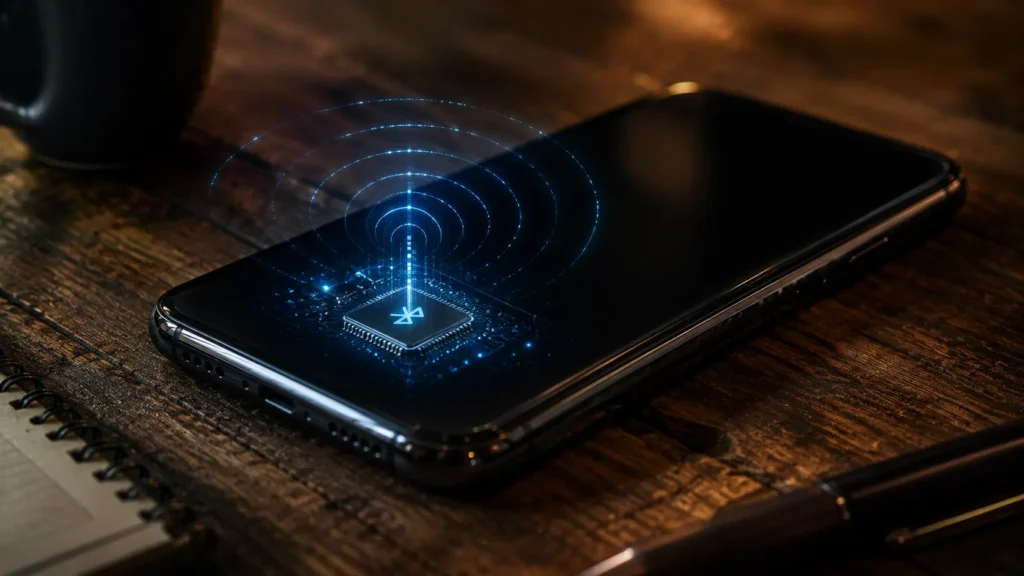
You turn off your phone or the battery suddenly dies.
The screen goes black.
No signal.
No apps.
No GPS.
Most people assume that is the moment their phone completely disappears from the digital world.
Surprisingly, that is not always true.
Thanks to modern offline finding technology, Bluetooth location networks, and emergency communication systems, some smartphones can still be located for a limited time even after the battery appears to be dead.
It sounds almost impossible, but millions of modern devices are designed to keep a small amount of power reserved for specific security features long after the phone shuts down.
The technology is not magic, and it is not unlimited. However, it has already helped people recover lost phones and, in some situations, even assisted emergency responders.
A Dead Screen Does Not Always Mean A Dead Phone
When your phone powers off because the battery is empty, not every electronic component necessarily stops working at the same instant.
Many newer smartphones reserve a tiny amount of energy for critical functions.
Instead of keeping the display or processor running, that remaining power may be used by low energy chips designed specifically for location and security.
These chips consume only a fraction of the energy required to operate the full phone.
That allows certain features to continue working even after the device appears completely off.
The Hidden Network Working Behind The Scenes
One of the biggest breakthroughs in recent years is offline device finding.
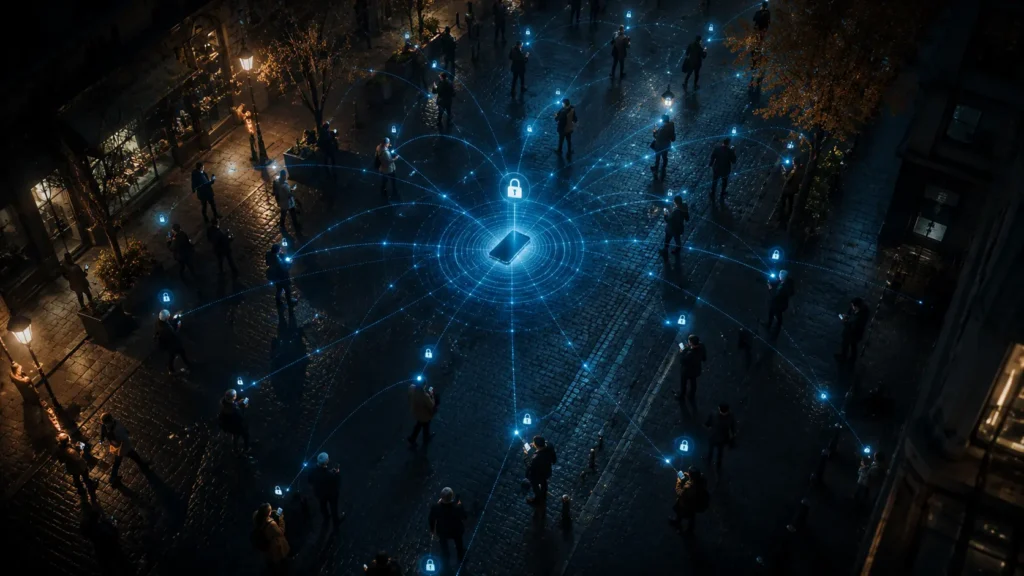
Instead of relying only on GPS or cellular towers, modern smartphones can communicate using Bluetooth Low Energy, often called BLE.
When a phone is offline, it may continue sending encrypted Bluetooth signals for a limited period.
Nearby smartphones that are part of the same trusted finding network can detect those signals anonymously.
Without revealing the identities of either device, they securely forward the approximate location to the owner’s account.
This creates a massive crowdsourced location network involving millions of smartphones around the world.
Most people participate without ever realizing it.
A Real World Example
Imagine leaving your phone on a park bench.
Hours later, the battery finally reaches zero.
You assume there is no chance of finding it.
Meanwhile, dozens of people walk past carrying compatible smartphones.
Their devices quietly detect your phone’s encrypted Bluetooth signal and securely relay its location through the finding network.
When you later check your account from another device, your phone’s last detected location appears on the map.
No one walking past ever knows they helped.
No one can read your information.
The entire process is designed to protect privacy while making lost devices easier to recover.
What About GPS
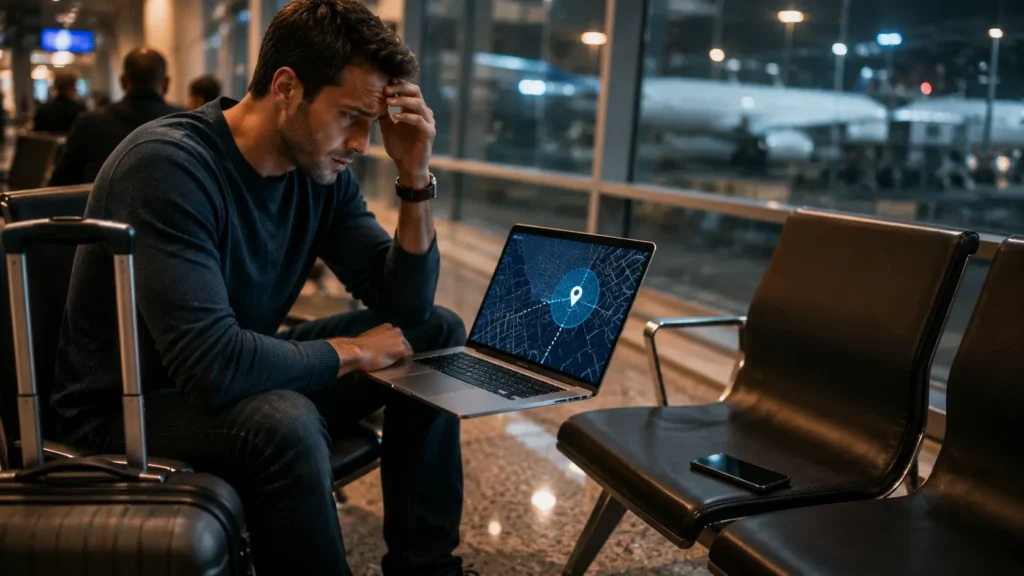
Many people think GPS is responsible for everything related to location.
In reality, GPS is only one piece of the puzzle.
GPS receives signals from satellites to determine where a device is located.
It does not transmit your location back to anyone.
Without sufficient battery power, traditional GPS positioning stops working.
Offline finding works differently.
It depends on nearby devices receiving encrypted Bluetooth signals rather than the phone communicating directly with satellites or mobile towers.
That distinction is one reason modern location networks have become much more effective.
Emergency Features Go Even Further
Some smartphones include additional emergency capabilities.
For example, certain premium devices support Emergency SOS via satellite, allowing users in remote areas without cellular coverage to contact emergency services.
Although these systems still require battery power, they demonstrate how manufacturers increasingly design phones with safety as a priority.
Some devices also retain the ability to display medical information or emergency contact details even when they appear powered off.
These features can make a meaningful difference during critical situations.
Can Someone Track You Without Permission
This is one of the biggest concerns surrounding location technology.
Modern finding networks are built with multiple privacy protections.
Location information is encrypted before being shared.
Nearby devices helping locate a lost phone cannot identify the owner or view personal data.
Most systems also require the owner’s authenticated account before location information can be accessed.
Manufacturers have added additional safeguards to detect unknown tracking devices and notify users if an unfamiliar tracker appears to be moving with them.
These protections were introduced after concerns about unwanted tracking became more widely recognized.
The Battery Is Not Really Empty
One surprising fact is that the battery shown as 0 percent is not always completely empty.
Manufacturers carefully manage battery reserves to protect the battery itself and support essential low power functions.
Instead of allowing total depletion, the phone may reserve enough energy for secure chips to continue operating briefly.
This tiny reserve is nowhere near enough to power the display or run applications, but it can be sufficient for specialized hardware designed for extremely low energy consumption.
Will Every Phone Work This Way
No.
The exact capabilities depend on the phone model, hardware, operating system, and manufacturer.
Older smartphones usually lose all communication once the battery is exhausted.
Newer premium devices increasingly include dedicated low power components that support offline finding for a limited period after shutdown.
The technology continues evolving as companies invest more heavily in security and device recovery.
The Invisible Technology Most Owners Never Notice
Millions of people assume their phone becomes completely silent the moment the battery dies.
In reality, many modern smartphones are built with carefully engineered backup systems that continue performing critical security tasks using only tiny amounts of reserved power.
Through encrypted Bluetooth signals, crowdsourced finding networks, and specialized low energy chips, these devices can sometimes remain discoverable long after the screen goes dark.
It is not designed for surveillance.
It is designed to help people recover valuable devices while protecting personal privacy.
The next time your phone suddenly shuts down, remember that it may not have disappeared as completely as you think.
Hidden beneath the black screen, some of the smartest technology inside the device could still be quietly helping you find it.
Read Also
Read also: https://aiwalanews.com/how-to-check-if-your-data-has-already-been-leaked/
© AiwalaNews | Global Tech & Privacy Edition | April 2026
