Think about the first thing you touched this morning.
For most people, it was not a coffee mug or the bedroom light. It was a smartphone.
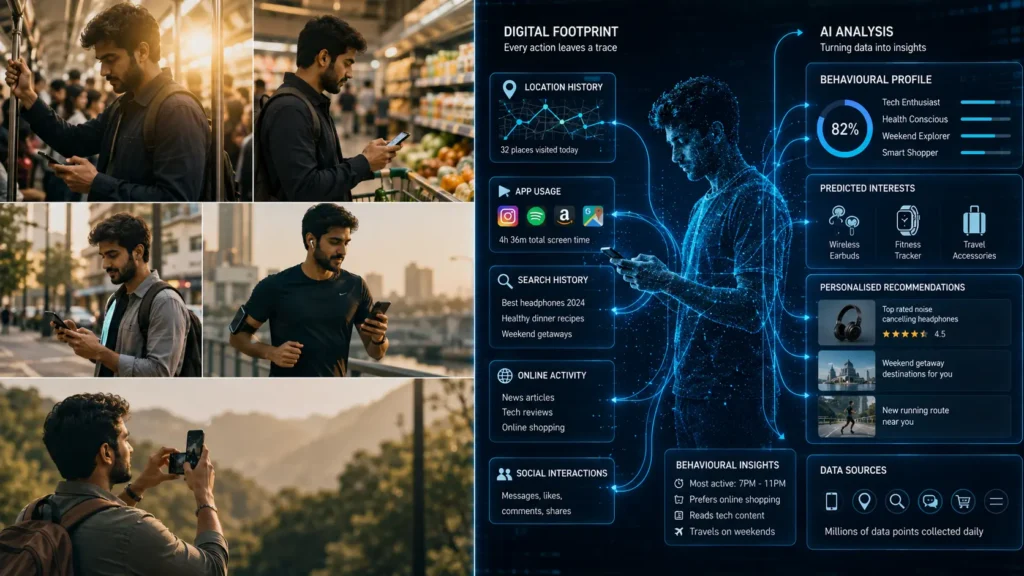
Before breakfast, your phone may already know when you woke up, where you are, what the weather is outside, which route you usually take to work, and even which app you are likely to open next.
That sounds almost unbelievable, yet it is the reality of modern technology.
Your smartphone is no longer just a device for making calls or sending messages. It has quietly become one of the most detailed records of your daily life. Every tap, search, journey, purchase, and photo helps create a digital picture that is often more accurate than the memories of your closest friends.
The remarkable part is that much of this information is collected to make your experience faster, smarter, and more convenient.
Your Daily Routine Leaves A Digital Trail
Imagine following someone for an entire month.
You would learn where they work, when they wake up, which café they visit every Friday, how long they exercise, and when they usually go to bed.
Your smartphone learns many of these same patterns automatically.
Every time you unlock the screen, connect to WiFi, use navigation, or open an application, tiny pieces of information help software understand your routine.
After enough time, your phone can often predict where you are going before you even type the destination.
That is why navigation apps sometimes suggest your usual route before you ask.
Location Is More Powerful Than Most People Realise
One of the most valuable pieces of information your phone collects is location.
With your permission, mapping applications, weather services, ride sharing platforms, and fitness apps use location to provide useful features.
Over weeks and months, these locations form patterns.
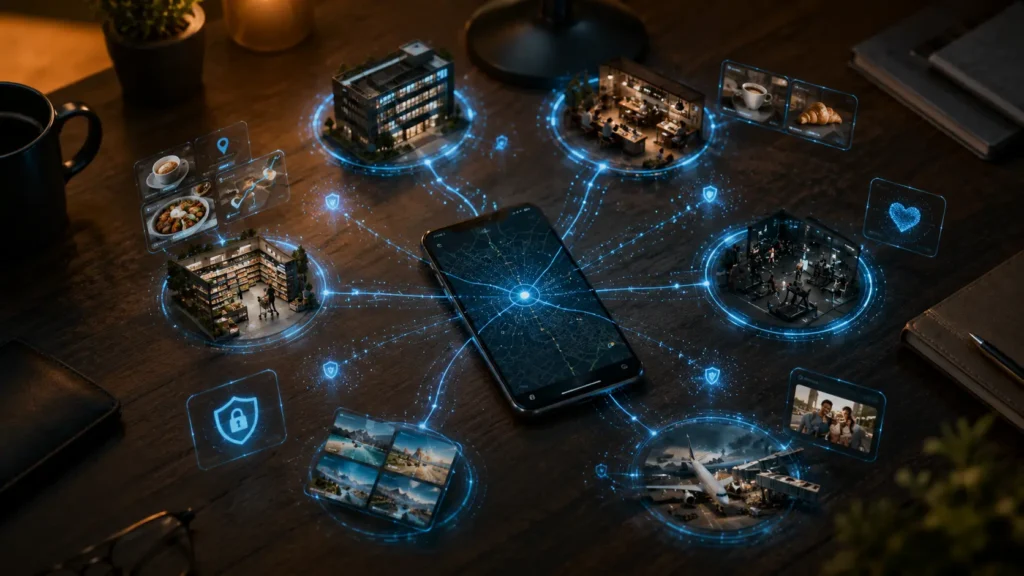
Your phone may recognise your home, workplace, favourite supermarket, gym, airport, or coffee shop.
This information allows services to estimate travel times, recommend nearby businesses, and provide more accurate weather forecasts.
Most reputable apps explain how location data is used and give users options to limit or disable access.
Understanding those settings is an important part of protecting your privacy.

Your Searches Reveal Your Interests
The questions you search often reveal more than conversations with friends.
Someone searching for hiking equipment, healthy recipes, electric vehicles, home loans, and travel destinations is creating a unique picture of their interests.
Recommendation systems use this information to personalise search results, videos, shopping suggestions, and advertisements.
That is why two people searching for similar topics may receive completely different recommendations.
The goal is not to read your mind.
It is to recognise patterns based on previous activity.
A Real World Example
Imagine David recently moved from New York to Austin.
During his first few weeks, he searches for nearby restaurants, furniture stores, internet providers, public transport, and local gyms.
Without him noticing, his phone begins adapting.
Navigation apps recommend the fastest route to work.
Music apps suggest local events.
Weather apps switch to Austin forecasts.
Food delivery platforms highlight nearby restaurants.
His smartphone has not become intelligent overnight.
It has simply learned from hundreds of small interactions that together describe his new lifestyle.
Your Photos Tell Stories Too
Every photograph contains more information than just the image itself.
Many photos include details such as the time they were taken, the device used, and sometimes the location where they were captured.
Artificial intelligence can also identify beaches, mountains, pets, birthdays, cars, and thousands of everyday objects.
This allows photo libraries to organise memories automatically.
Typing the word dog or sunset into a gallery search often finds matching images within seconds.
Behind that simple search is powerful machine learning analysing visual patterns rather than reading captions.
Health And Fitness Create Another Layer
Smartphones and wearable devices now track daily steps, exercise sessions, sleep schedules, heart rate, and activity trends.
For many users, these insights encourage healthier habits.
Over time, the device builds a surprisingly detailed understanding of daily routines.
Instead of replacing doctors or medical advice, these features help users notice changes and maintain healthier lifestyles.
Privacy controls remain important because health related information deserves strong protection.
Artificial Intelligence Connects Everything
Individually, your searches, locations, photos, and app usage reveal only small pieces of information.
Artificial intelligence connects those pieces together.
Instead of analysing isolated events, machine learning identifies long term patterns.
It may predict which playlist you want during your morning commute, suggest reminders before meetings, recommend restaurants while travelling, or automatically organise your calendar.
The more consistently you use your device, the better these predictions often become.
Who Controls This Information
Modern smartphones provide more privacy controls than ever before.
You can review app permissions, disable location sharing, limit advertising personalisation, control photo access, and decide which applications receive sensitive information.
Major technology companies have also introduced stronger privacy dashboards that make it easier to understand what information is being shared.
Taking a few minutes to review these settings can significantly improve your control over personal data.
The Bigger Picture
Your smartphone knows an extraordinary amount about your life, but not because it is secretly watching everything you do.
It learns from the information you choose to share while using digital services.
Every search, journey, purchase, photo, and tap adds another small piece to a much larger picture.
For most people, these technologies create genuine benefits by making navigation easier, searches faster, photos better organised, and everyday tasks more convenient.
The important lesson is not to fear your smartphone.
It is to understand it.
When you know how your phone learns about you, you can make informed decisions about privacy, permissions, and the digital services you use every day.
The next time your phone predicts where you are going or recommends exactly what you were looking for, remember that it is not magic.
It is the result of thousands of tiny interactions that quietly tell the story of your daily life.
Read Also
Read also: https://aiwalanews.com/how-websites-recognize-you-even-without-cookies/
Read also: https://aiwalanews.com/what-happens-inside-googles-data-centers-when-you-search/
© AiwalaNews | Global Tech & Privacy Edition | April 2026
