You buy a pair of shoes online.
A few hours later, a notification appears on your phone.
“Congratulations. You earned cashback.”
It almost feels too good to be true.
After all, why would a company pay you simply for shopping?
Many people assume cashback apps lose money to attract users.
Others believe there must be a hidden catch.
The reality is much more interesting.
Cashback apps are built around a business model where everyone involved can benefit. Retailers gain more customers, shoppers receive rewards, and cashback companies earn revenue without charging users directly.
Understanding how this system works reveals one of the smartest marketing strategies in modern ecommerce.
Cashback Is A Marketing Expense
Imagine opening a new coffee shop in a busy city.
You could spend thousands on television advertisements hoping people notice your business.
Or you could reward customers only after they actually make a purchase.
Many online retailers think the same way.
Instead of paying only for advertisements that may never generate sales, they pay cashback companies a commission whenever a customer completes a purchase.
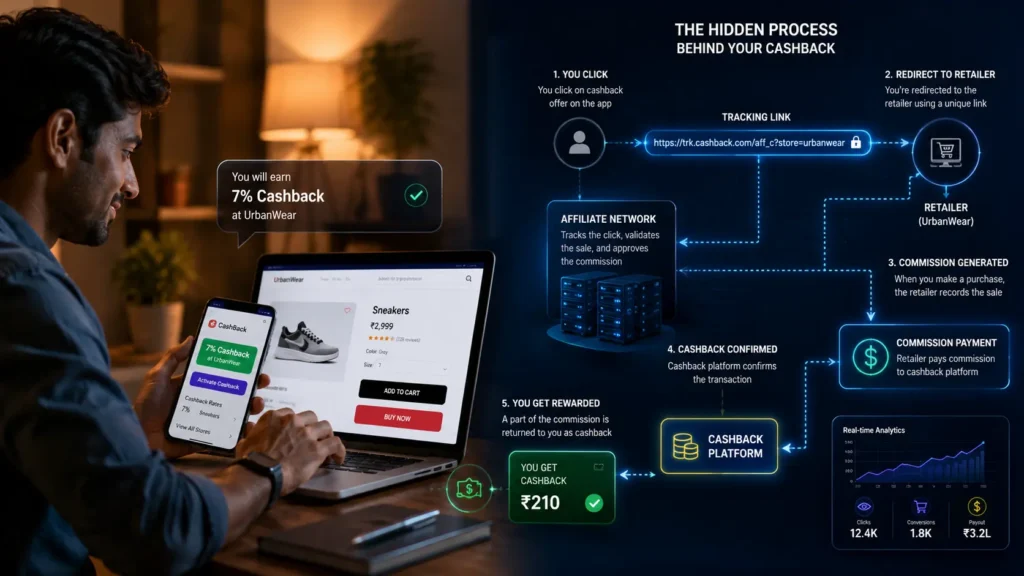
A portion of that commission is then shared with the shopper as cashback.
The customer receives money back.
The retailer gains a confirmed sale.
The cashback platform earns a share of the commission.
Everyone benefits from the transaction.
Affiliate Marketing Powers The System
Behind nearly every cashback purchase is something called affiliate marketing.
When you tap a cashback offer, the app creates a special tracking link.
That link quietly tells the retailer which platform referred the customer.
If you complete the purchase, the retailer knows exactly where the customer came from.
The retailer then pays the cashback company a commission.
Rather than keeping the full amount, the company returns part of it to you.
From the shopper’s perspective, it feels like a reward.
Behind the scenes, it is actually a revenue sharing agreement between businesses.
A Real World Example
Imagine Jessica wants to buy a new laptop costing one thousand dollars.
Before visiting the retailer’s website, she opens her favourite cashback app.
The app advertises five percent cashback.
Jessica completes her purchase using the provided shopping link.
The retailer later pays the cashback platform a commission for sending a paying customer.
Part of that commission returns to Jessica as cashback.
The retailer still profits from the laptop sale.
Jessica saves money.
The cashback company also earns revenue.
The transaction succeeds because all three parties receive value.
Retailers Prefer Paying For Results
Traditional advertising always carries uncertainty.
A company might spend millions showing advertisements without knowing exactly how many sales they generated.
Cashback platforms reduce that uncertainty.
Retailers usually pay commissions only after an actual purchase occurs.
This makes cashback one of the most measurable forms of digital marketing.
Instead of paying for attention alone, businesses pay for confirmed customers.
That predictability explains why many large retailers continue partnering with cashback platforms.
Why Cashback Amounts Change
You may notice that cashback percentages are not always the same.
One week a retailer offers two percent.
The next week it increases to ten percent.
Several factors influence these changes.
Retailers may increase commissions during holiday shopping seasons.
They may promote specific product categories.
Competition between retailers can also encourage temporary increases in cashback offers.
The reward reflects marketing strategy rather than product quality.
The Technology Working Behind Every Purchase
Earning cashback looks simple.
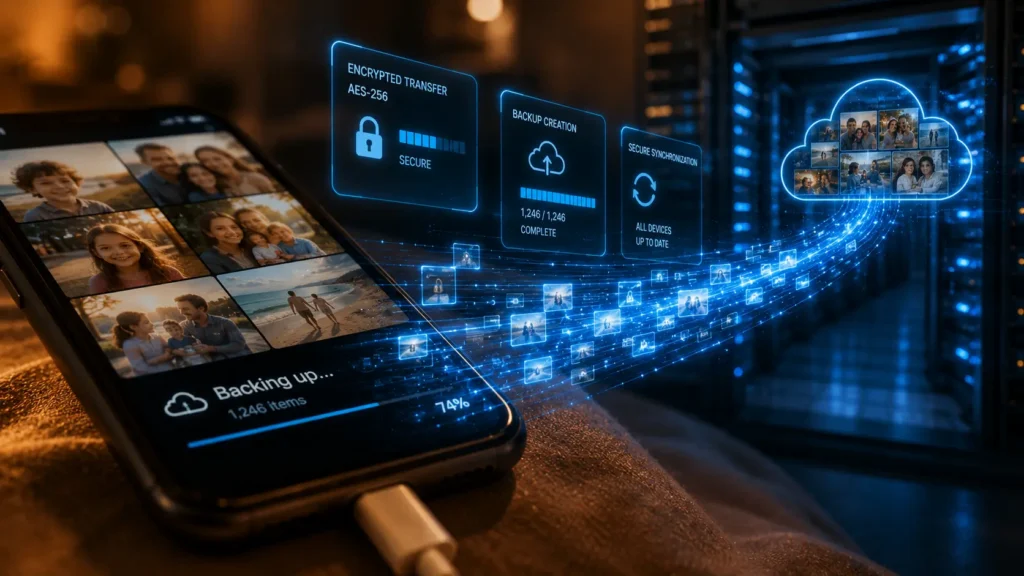
Behind the scenes, sophisticated technology coordinates every step.
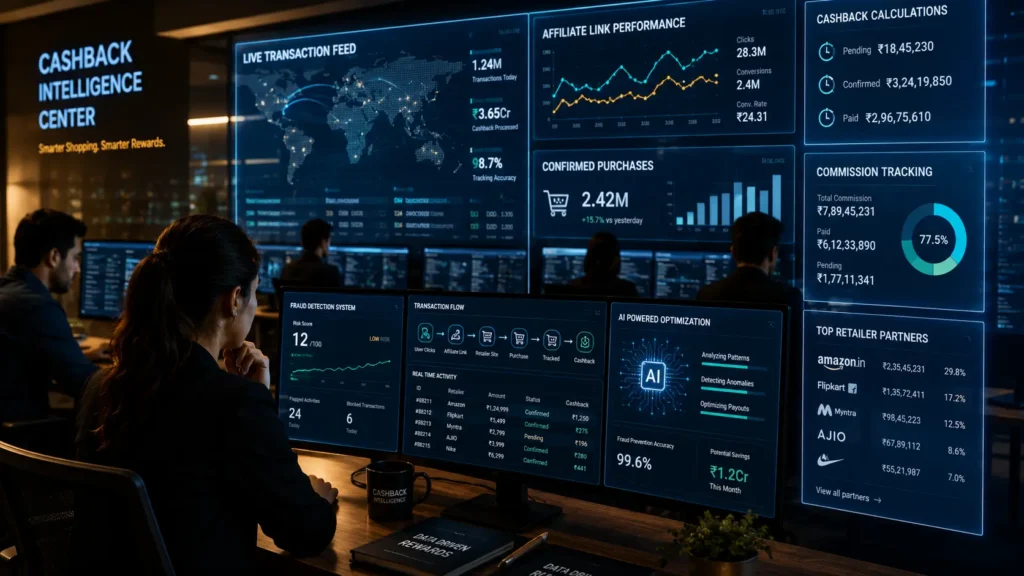
Tracking systems verify where shoppers came from.
Secure transaction records confirm completed purchases.
Fraud detection tools identify suspicious activity.
Payment systems calculate cashback amounts and prepare future payouts.
Artificial intelligence also helps identify unusual behaviour that may indicate abuse or fraudulent transactions.
Most users never see these systems quietly working in the background.
Why Cashback Is Sometimes Delayed
Many shoppers wonder why cashback does not appear immediately.
The delay usually protects everyone involved.
Retailers first confirm that the purchase was completed successfully.
They check whether products were returned or cancelled.
Once the transaction is verified, the retailer releases the commission.
Only then can the cashback platform distribute rewards to customers.
Although waiting can feel frustrating, it helps ensure accurate payments.
Can Cashback Encourage More Spending
Cashback saves money only when you were already planning to buy something.
Problems arise when shoppers purchase unnecessary products simply because cashback is available.
Saving five percent while buying something you never needed is not really saving money.
Financial experts often recommend viewing cashback as a bonus rather than a reason to shop.
The smartest shoppers use cashback after deciding to make a purchase, not before.
The Bigger Picture
Cashback apps are not giving away free money.
They are participating in a carefully designed digital marketplace where retailers reward businesses that successfully bring them paying customers.
Technology quietly tracks referrals.
Retailers pay commissions.
Cashback platforms share part of those earnings with shoppers.
The result feels surprisingly simple, even though an entire ecosystem works behind every reward notification.
The next time your phone tells you that cashback has arrived, remember that the money did not appear from nowhere.
It travelled through a sophisticated network of partnerships, technology, and digital marketing that has quietly transformed the way millions of people shop online.
Read Also
Read also: https://aiwalanews.com/how-websites-recognize-you-even-without-cookies/
Read also: https://aiwalanews.com/what-happens-inside-googles-data-centers-when-you-search/
© AiwalaNews | Global Tech & Privacy Edition | April 2026
