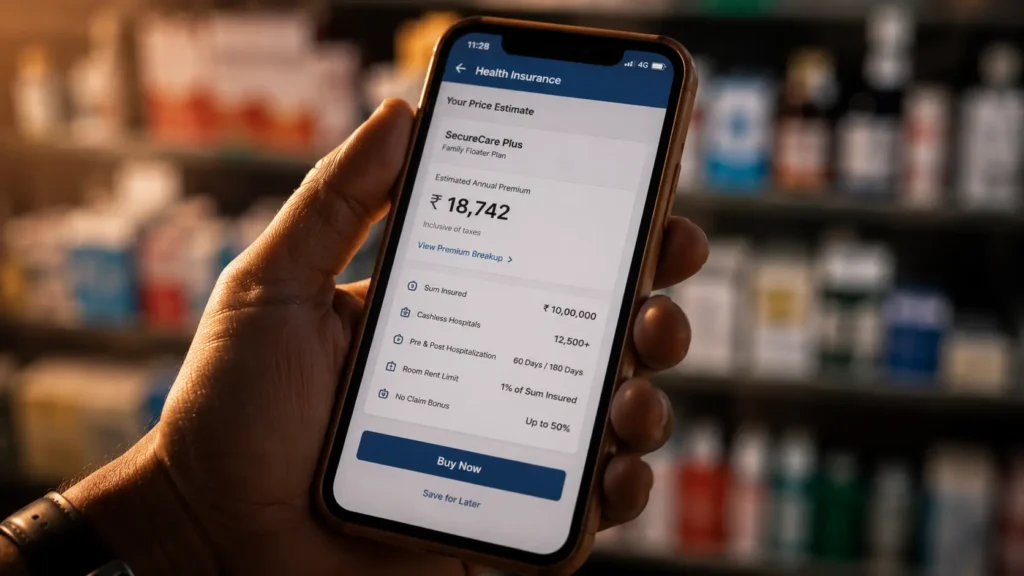
The Eleven Dollar Screenshot
Priya checked her insurance app the night before her pharmacy visit. The screen showed eleven dollars for her prescription. She even took a screenshot, feeling relieved that the month’s budget was sorted. The next morning, the pharmacist rang up the same medicine at thirty four dollars. Priya showed her phone. The pharmacist barely blinked and said, “Happens all day, every day.” That tiny gap between a screen and a receipt is one of the most common frustrations in modern healthcare, and almost nobody explains why it happens.
It Is An Estimate, Not A Live Price
Most people assume the app is talking to the pharmacy in real time, the same way a banking app shows your balance instantly. That assumption is wrong. The number inside your insurance app is usually built from historical claims data, contracted rates, and formulary rules that were accurate when they were last updated, not necessarily accurate at the exact moment you open the app. Insurers do not always maintain a live wire into every pharmacy chain’s billing system, so what you see is closer to a forecast than a fact.
Meet The Company You Have Never Heard Of
The real gatekeeper of your medicine price is rarely the insurer itself. It is a Pharmacy Benefit Manager, often shortened to PBM. This is the company that sits quietly between your insurance plan, the drug manufacturer, and the pharmacy counter, negotiating rebates and setting the final payable price behind the scenes. A senior pharmacist who has worked across both Indian and international drug distribution systems explained it plainly at an industry panel last year. “The number a patient sees on a screen is a negotiated estimate. The number the pharmacy sees at checkout is the final calculation after every rebate, discount card, and formulary tier gets applied in real time.” One sentence, and suddenly the whole mystery makes sense.

Your Deductible Might Be Playing Tricks
Another silent culprit is your deductible status, which shifts throughout the year and is not always synced perfectly between your insurer and the app you are staring at. If you have not yet met your yearly deductible, you may owe the full negotiated price of the drug instead of the smaller copay the app assumed you would pay. Apps often calculate estimates assuming your deductible is already cleared, since that fits most long term policyholders. But if you switched plans recently, added a new prescription, or restarted your benefits at the beginning of the year, that assumption falls apart fast.
Formulary Tiers Change Quietly
Insurance companies sort medicines into pricing categories called formulary tiers, and a drug can move from one tier to another the moment a plan renews or a manufacturer contract updates. If your app has not refreshed its formulary information since that shift happened, it keeps showing you an outdated price while the pharmacy system has already moved on to the new tier. Nobody sends you a notification when this happens. You just find out at the counter.
Sometimes Skipping Insurance Is Cheaper
Pharmacies add their own layer of confusion through internal discount programs, loyalty pricing, and cash pay options that exist completely outside your insurance plan. In several cases, the cash price for a common generic medicine, especially for blood pressure or diabetes prescriptions, ends up lower than what your insurance would charge as a copay. Financial counselors now routinely advise patients to ask one simple question before paying: “What is the price if I skip insurance entirely?” That single question has saved patients real money more than once.
Timing Is Quietly Working Against You
Insurance apps typically update on a scheduled cycle rather than constantly refreshing. If your employer changed your plan, if you crossed a new spending threshold, or if the pharmacy chain tweaked its own software that same week, a short term mismatch can appear and disappear within days. It feels alarming in the moment, but it often resolves itself once both systems catch up with each other.
Three Habits That Actually Help
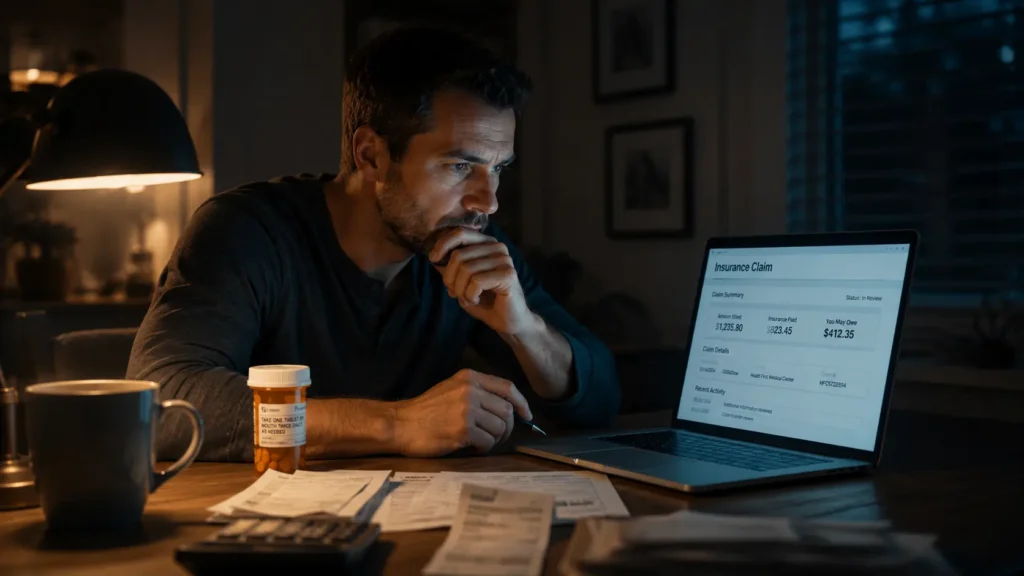
Experts generally agree on three simple habits worth building. First, treat the app’s number as a rough guide, not a guarantee, particularly for new or expensive prescriptions. Second, always ask the pharmacist for the final out of pocket cost before the payment is processed, since pharmacy staff can see the completed calculation at the point of sale. Third, save screenshots or receipts whenever you notice a repeated mismatch, because that evidence becomes useful if you ever need to dispute a charge or request a formal price review from your insurer.
The System Was Never Built To Move This Fast
The uncomfortable truth is that most healthcare pricing systems, even the increasingly digital ones, were designed for insurers and pharmacies to exchange information in batches, not in live conversation with the patient holding the phone. Apps have made healthcare more visible than ever before, but visibility is not the same thing as accuracy. Until insurers, PBMs, and pharmacy software fully sync in real time, small but irritating gaps like Priya’s eleven dollar screenshot will likely keep showing up at counters everywhere.
For now, the safest habit is refreshingly simple. Trust the app for a general idea. Trust the pharmacist for the real number. And never be shy about asking a question before you pay.
Read also this: How Your Data Gets Shared Between Apps Without You Knowing
Read also this: The Hidden Fees Inside Every Digital Subscription You Use
© AiwalaNews | Global Tech & Privacy Edition | April 2026
