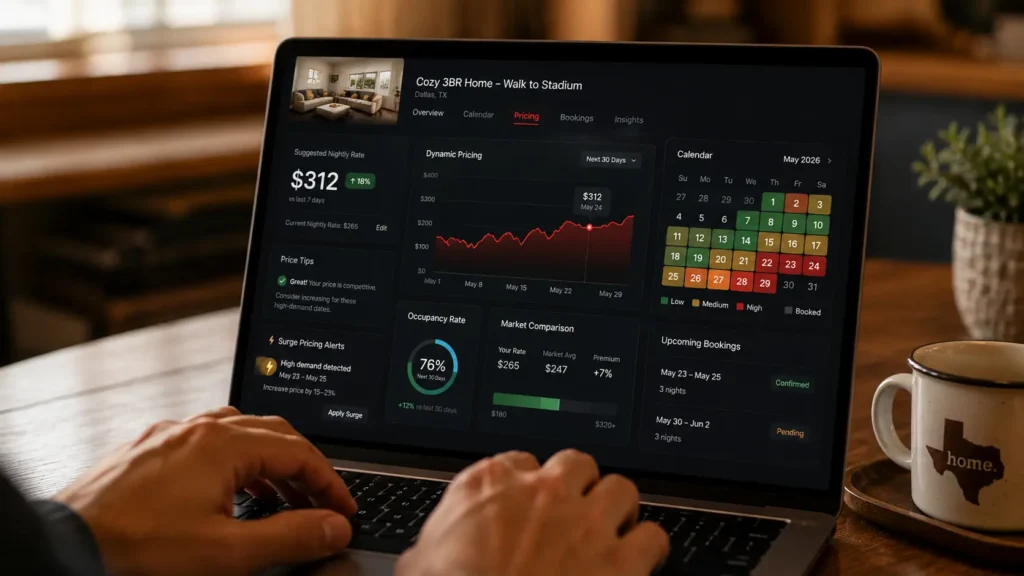
When FIFA World Cup 2026 kicks off across the United States, Canada, and Mexico this summer, it won’t just be the world’s greatest footballers making headlines. A growing wave of American homeowners from retirees in Dallas to young couples in Miami are engineering what many financial experts are calling the most significant short-term rental opportunity this decade.
The numbers are staggering. During the 2022 Qatar World Cup, Airbnb hosts in host cities collectively earned over $100 million in a single month. Now, with sixteen U.S. cities hosting matches including New York, Los Angeles, Dallas, San Francisco, Atlanta, Seattle, and Kansas City the opportunity is landing directly in American backyards.
And the target figure many hosts are quietly aiming for? $8,000 or more per household, in under six weeks.
Why World Cup 2026 Is a Once-in-a-Generation Hosting Opportunity
This isn’t just another sporting event. FIFA World Cup 2026 is the largest World Cup in history, expanded to 48 teams and 104 matches. That means more traveling fans, longer stays, and sustained demand across a longer window than any previous tournament.
According to tourism economists at Oxford Economics, the tournament is projected to attract over 5 million international visitors to North America a majority of them booking private accommodations over hotels, which are already filling up at record rates.
Sports tourism researcher Dr. Elaine Hoffman, who has studied fan travel behavior across three World Cups, told travel industry partners in a 2025 briefing: “International soccer fans travel in groups, stay longer than typical tourists, and prioritize location over luxury. That’s a perfect profile for short-term rental hosts.”
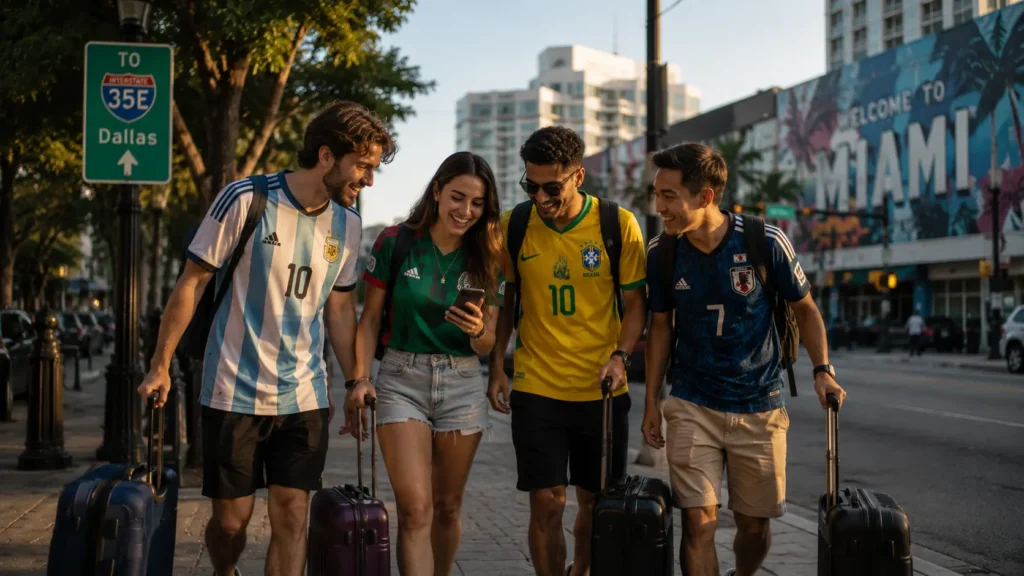
The Exact Strategy Hosts Are Using
Experienced Airbnb Superhosts are not waiting for fans to find them. They’re executing a deliberate five-step strategy:
1. Lock in your listing now. Peak booking windows for major sporting events typically open 8–12 months in advance. Hosts who listed early for World Cup dates are already seeing reservations flood in. If you haven’t listed yet, late May and June 2026 still have inventory gaps particularly for group-friendly properties near stadium corridors.
2. Price dynamically – not emotionally. The single biggest mistake new hosts make is flat-rate pricing. Tools like PriceLabs, Wheelhouse, and Airbnb’s own Smart Pricing algorithm pull real-time demand signals. Hosts near match venues in Dallas reported 340% above-average nightly rates during the 2026 booking surge but only when dynamic pricing was activated in advance.
3. Optimize for group travel. International fans arrive in groups of four to eight people, often mixing families and friends. Properties that sleep six or more, with multiple bathrooms and a communal area, consistently outperform studio-style listings during World Cup events. Investing in a fold-out sofa or a proper air mattress setup can shift your property from a $180/night listing to a $420/night listing overnight.
4. Play the ‘proximity card’ intelligently. You don’t need to be next door to a stadium to cash in. Many hosts are earning top dollar by being 20–40 minutes away positioned between venues and airports, or near popular fan zones. In host cities, fan energy spreads across entire metro areas, not just stadium zip codes.
5. Prepare for international guests specifically. Top-earning hosts are adding small but high-impact touches: multilingual welcome guides (Spanish, Portuguese, French, Arabic), local restaurant recommendations sorted by cuisine, and printed transit maps to match venues. These details drive 5-star reviews and 5-star reviews unlock premium pricing tiers on Airbnb’s algorithm.

What Does $8,000 Actually Look Like?
Let’s break it down with a realistic scenario.
A three-bedroom home in Dallas, listed at $275/night for a 30-day hosting window during peak World Cup dates, with an average occupancy rate of 85%, generates approximately $7,012 before fees. Add a weekend surge pricing window during quarterfinal matches, and you’re comfortably crossing $8,500.
In higher-cost markets like Los Angeles or New York, the math scales even faster. Hosts in Brooklyn near the MetLife Stadium corridor are reporting inquiries at $400–$600 per night for the tournament window.
What Smart Hosts Are Watching Out For
Not everything is upside. Short-term rental regulations have tightened significantly in U.S. cities over the past three years. New York City’s Local Law 18, for example, restricts many short-term rentals to owner-occupied stays. Los Angeles and San Francisco have their own permit frameworks.
Before listing, hosts must verify:
- Local short-term rental ordinances
- HOA or lease restrictions
- Tax registration requirements (most cities require a permit number in your listing)
- Airbnb’s own host guarantee terms for high-volume events
Ignoring these can result in fines or worse, having your listing removed during peak earning days.
The Bottom Line
World Cup 2026 represents a legitimate, legal, and significant income opportunity for American homeowners willing to prepare strategically. The hosts who will earn the most aren’t those with the fanciest properties they’re the ones who price intelligently, optimize for group travel, and start early.
If you have space, a U.S. host-city address, and a few weeks of flexibility this summer, the world is quite literally coming to your neighborhood.
The question is whether you’ll have a room ready when it arrives.
Read Also:
- 🔗 How AI Is Changing the Way We Travel in 2026
- 🔗 The Hidden Costs of Short-Term Rentals Nobody Talks About
© AiwalaNews | Global Tech & Privacy Edition | April 2026
