There is a moment that reveals everything about how modern retail actually works.
It is August 2004. Hurricane Frances is churning toward the Florida coast. Walmart’s Chief Information Officer, Linda Dillman, gathers her data team and gives them an unusual instruction: don’t tell me what people are buying right now tell me what they will buy when the storm arrives.
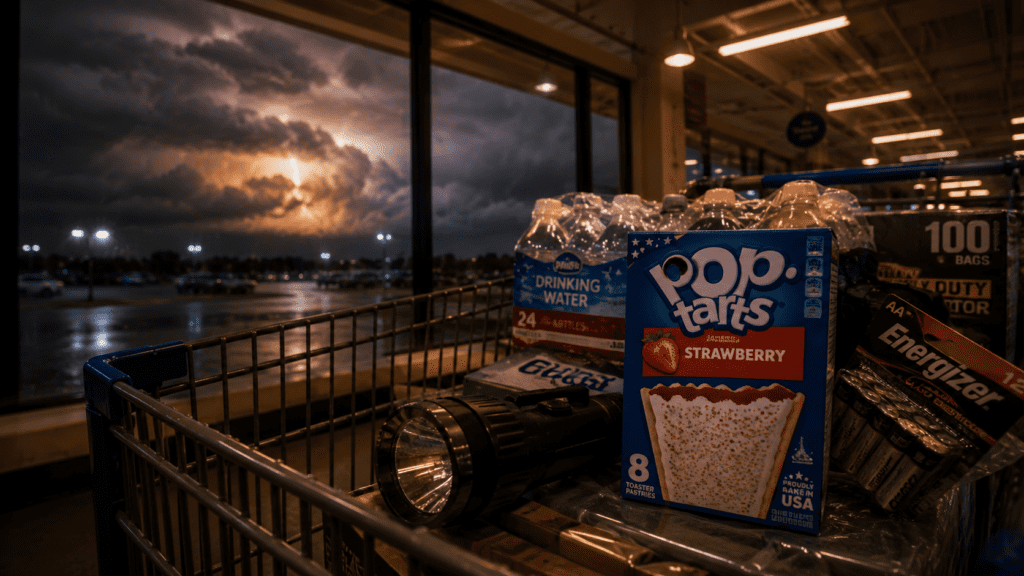
The team mines years of purchase history from previous hurricanes. Bottled water. Torches. Batteries. Expected. Then one result stops them cold.
“We didn’t know in the past that strawberry Pop-Tarts increase in sales, like seven times their normal sales rate, ahead of a hurricane,” Dillman later said. “And the pre-hurricane top-selling item was beer.”
Within hours, Walmart had trucks loaded with strawberry Pop-Tarts heading down Interstate 95 toward stores in Frances’s path. They sold out immediately.
That was 2004. What the system can do now is categorically different in scale, speed, and precision.
The Data Foundation Nobody Talks About
Walmart serves approximately 255 million customer visits per week globally. Every loyalty-linked transaction through the Walmart app, Walmart+, or a Walmart credit card — adds a data point to a longitudinal purchase record stretching back years.
Walmart holds first-party transaction data touching nearly 90% of American households. That is not a marketing claim. It is a statistical consequence of Walmart’s position as the largest retailer in the country. The majority of American families shop there at least once a year. Those who pay with linked methods are building a detailed, continuous purchase history the company can mine across time.
That history is the engine behind everything that follows.
Meet Scintilla The Intelligence Layer You’ve Never Heard Of
In February 2025, Walmart rebranded its data intelligence platform from Luminate to Scintilla a Latin word meaning “spark.” “You can take the smallest amount of data and create an insight that ignites a big decision,” explained a Walmart Data Ventures leader at the launch event.
But Scintilla is not just for Walmart’s internal use. It is a platform Walmart sells access to allowing major brands to tap into Walmart’s proprietary consumer data to predict demand, spot defection, and adjust strategy before problems surface in sales figures.
By late 2024, Walmart Data Ventures’ client base had grown 173% year-on-year, with brands including PepsiCo, Coca-Cola, Colgate, and Revlon publicly describing how they use it.
Scintilla subscribers outpaced their peers, with total omni sales increasing by 15% and digital sales growing even faster compared to non-subscribers.
The data operation is now a significant revenue stream in its own right Walmart is not just a retailer. It is a data company that runs stores.
The Four Prediction Engines Running on Your Basket
1. Purchase cycle modelling. If you buy laundry detergent every 23 days, the system tracks that rhythm across hundreds of replenishable categories detergent, diapers, coffee, pet food, vitamins. When your cycle window opens, a targeted offer appears in the Walmart app. Your preferred product gets restocked to maximum depth in your local store. You feel like the timing is convenient. The timing was calculated.
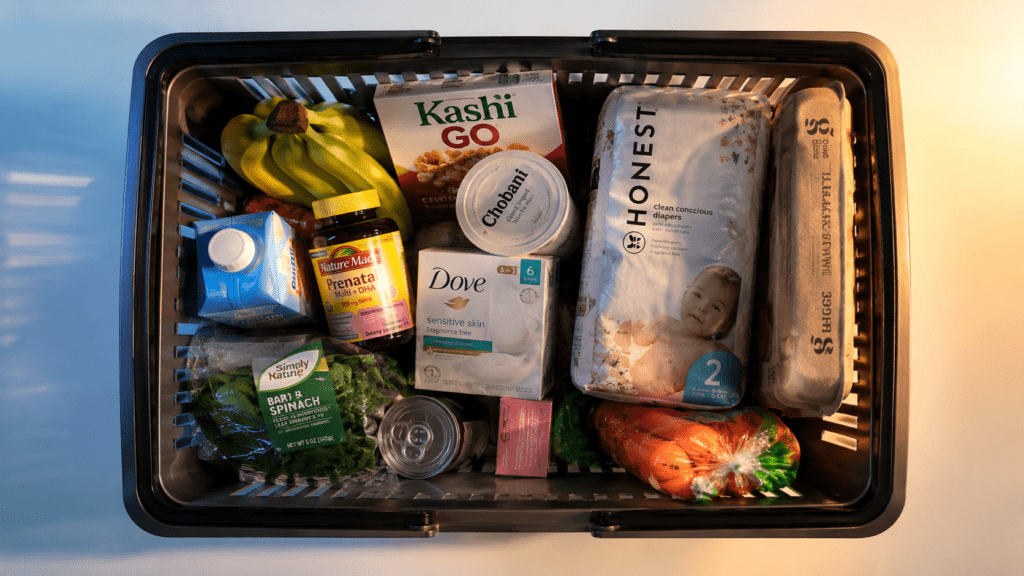
2. Life event detection. The basket tells stories its owner hasn’t announced yet. A sudden appearance of prenatal vitamins, unscented soap, and infant products signals an expected pregnancy. Moving boxes, shelf liner, and cleaning supplies on a weekend suggest relocation. Compression socks and specific dietary supplements indicate a recent health diagnosis. No survey required the purchases say it first. The data can reveal customer needs that customers themselves might not even consciously recognise.
3. Weather and event correlation. The Pop-Tart discovery was the proof of concept. As recently as August 2025, Walmart Data Ventures highlighted how access to Scintilla first-party data helps suppliers prepare inventory ahead of natural disasters. The modern system cross-references weather forecasts, local event calendars, and regional purchase history to pre-position stock automatically days before the first customer feels the impulse to buy.
4. Switching and defection modelling. Scintilla’s Shopper Behavior module gives Walmart merchants and suppliers a single source of truth in basket data including a dedicated Switching on Units report that tracks the impact of demand elasticity, showing exactly when and why shoppers move between brands. If Brand A pasta sauce rises $0.40, the system already knows which customers will switch to Brand B before they do.
The Pre-Purchase Layer: Reading You Before You Buy
The most recent and significant addition to Walmart’s prediction stack is not about what you bought. It is about what you were about to buy before you did or didn’t.
Scintilla’s Digital Landscapes platform now tracks pre-purchase behaviours on Walmart.com and the Walmart app what’s happening before customers convert digitally, including how traffic flows across the site, whether customers arrive from search, social, or external sites, and how those signals connect with inventory, pricing, and sales.
The system uses behavioural and performance data to suggest audience segments for awareness, consideration, or conversion goals with the ability to push those audiences to ad campaigns “with the click of a button.”
You searched for a baby monitor on the Walmart app but didn’t buy. The system flagged that. A targeted ad followed within days. The shelf price quietly adjusted. You thought you found a deal. The deal was built for you.
What You Actually Agreed To And Didn’t Know
Unlike data brokers who purchase your profile from third parties, Walmart’s prediction infrastructure operates almost entirely on first-party data generated directly by your own shopping, through programmes you opted into. Walmart+ membership. The app’s location permissions. The loyalty card scan at checkout.
The consent exists. It is buried in terms of service that almost nobody reads in full. But legally, you gave it.
What is newer and less publicly detailed is Walmart’s stated intention to fill data gaps and integrate new data sources to gain even deeper insights into product journeys and customer behaviours going forward. What those new sources include, and where the boundary sits between what you agreed to and what is being added, is not transparently disclosed.
The Bottom Line
The next time the Walmart app suggests something you were about to run out of or shows you a product you didn’t know you needed until you saw it you are looking at the output of a system that has been quietly studying your household for years.
It cross-referenced your purchase cycle, your recent basket, local weather, and the aggregate behaviour of millions of shoppers who share your profile. Where Walmart’s data began as simple correlations weather and Pop-Tarts modern predictive systems now integrate thousands of variables to forecast everything from inventory needs to customer lifetime value.
It did not guess. It calculated. And the longer you have been a Walmart customer, the more accurately it will do it next week.
📌 Read Also:
- How Google Maps Knows There’s a Traffic Jam Before Anyone Reports It
- The $300 Billion Industry Built Around Your Personal Data
© AiwalaNews | Global Tech & Privacy Edition | April 2026
