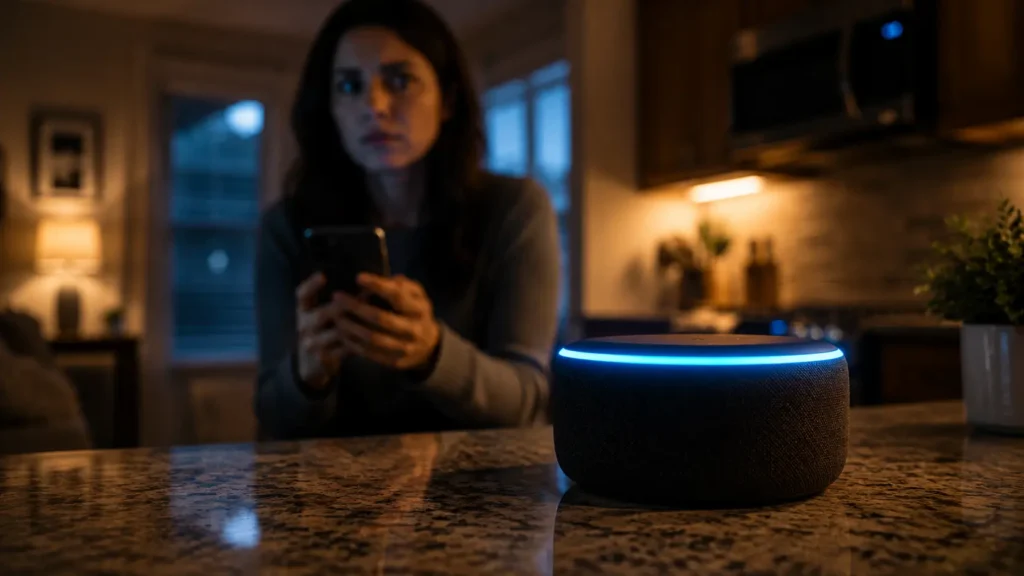
A few months ago, a friend of mine in Pune installed a smart thermostat, a video doorbell, and a voice assistant in the same week, all in the name of convenience. Within days, he mentioned something odd during dinner. He had casually talked about wanting a new mattress near his smart speaker, and an ad for mattresses showed up on his phone the very next morning. He laughed it off at first. Then he got quiet and asked me a question I still think about. “Wait, how much is this thing actually hearing?”
That question is exactly why I started digging deeper into how connected homes actually work behind the scenes. As someone who has spent years covering consumer technology and data privacy, I can tell you the answer is more unsettling than most people realize.
Every “Smart” Device Is Also a Data Collector
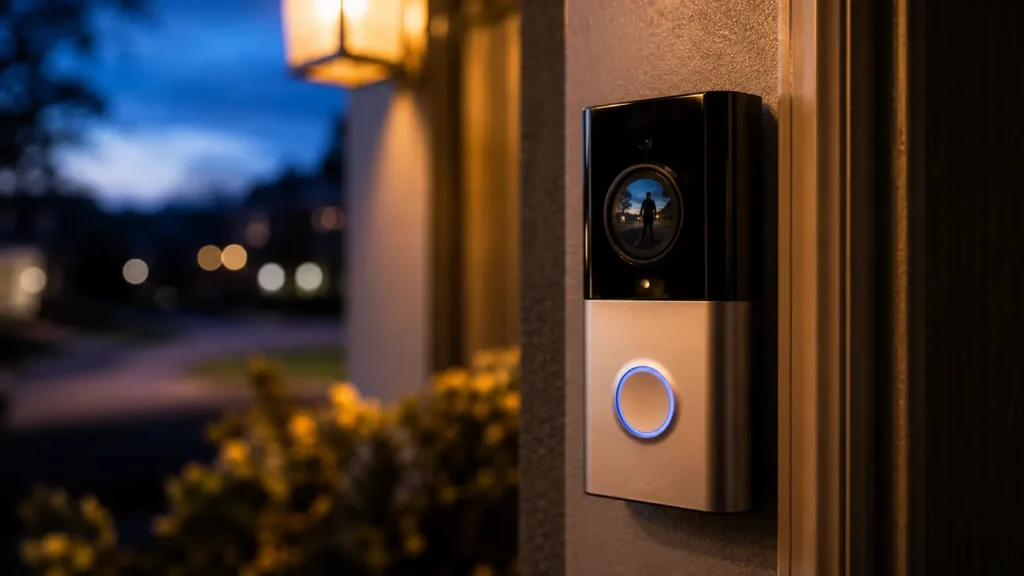
The word smart in smart home products almost always means one thing technically. The device is connected to the internet and constantly sending information somewhere. A smart speaker listens for its wake word continuously, which means it is always processing audio, even if it claims not to store it permanently. A smart thermostat tracks your daily routine down to the minute, learning when you wake up, when you leave, and when you come home. A video doorbell captures footage of everyone who walks past your house, not just the people who ring the bell.
None of this data simply stays on your device. Nearly every smart home product relies on cloud servers to function, which means your daily patterns, voice snippets, and video footage often travel through a company’s servers before you ever see the result on your phone.
The Real Product Is Your Behavior Pattern
I once spoke with a cybersecurity researcher at a conference in Delhi who put it in a way that stuck with me. He said most people worry about someone listening to a single conversation, but the bigger risk is far quieter. It is the pattern.
When a company knows what time you wake up, what temperature you like, when you leave for work, when your house sits empty, and what shows you stream at night, they are not collecting isolated facts. They are building a behavioral profile detailed enough to predict your routine better than most family members could. That profile becomes valuable, and valuable data almost always gets sold, shared, or analyzed for advertising, even when a privacy policy technically says otherwise in dense legal language nobody reads.
Multiple Devices Multiply the Risk
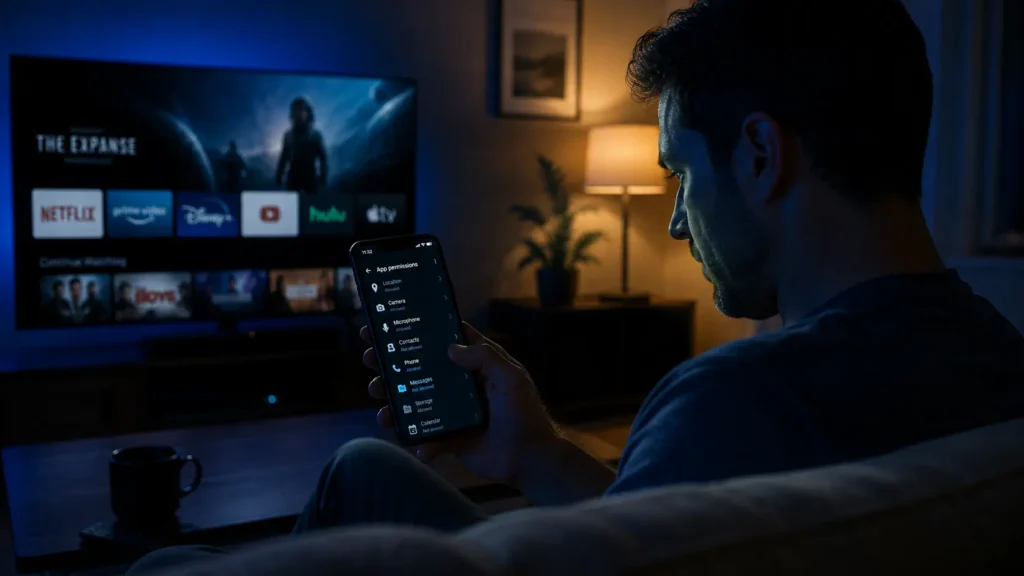
A single smart bulb collecting minimal data is not a huge concern on its own. The real privacy erosion happens when a household stacks device after device, each one owned by a different company, each one collecting a different slice of your life. Your doorbell knows your visitors. Your speaker knows your questions and conversations nearby. Your fitness tracker knows your sleep and heart rate. Your smart TV often tracks what you watch down to the second, a practice called automatic content recognition.
Individually these feel harmless. Combined, they create a surprisingly complete digital diary of your household, often stored across servers you have never heard of, protected by security standards you have no way to verify.
Weak Security Turns Convenience Into a Real Risk
Beyond data collection, there is a second, more immediate danger. Many smart home devices, especially cheaper ones, ship with weak default security. Researchers have repeatedly found smart cameras and baby monitors with default passwords that were never changed, leaving live video feeds accessible to anyone who knew where to look online.
A neighbor of mine learned this the hard way when her budget security camera app got compromised after she never changed the factory password. She only found out when a stranger’s voice came through the camera’s speaker one night. That single incident changed how she buys connected devices permanently, she now checks for regular security updates and two factor authentication before purchasing anything that connects to WiFi.
What Actually Helps, Practically
The good news is you do not need to abandon smart home technology entirely to protect your privacy. A few genuinely effective habits make a real difference. Always change default passwords immediately after setup. Review app permissions regularly and turn off microphone or camera access for features you never actually use. Choose brands that publish clear data retention policies and allow you to delete stored voice recordings or footage. Keep smart home devices on a separate WiFi network from your personal laptop and phone, so a compromised device cannot easily reach your other data.
Reading the privacy policy fully is unrealistic for most people, I will admit that honestly. But even scanning the data sharing section for phrases like “third party partners” or “advertising purposes” can tell you a lot in under a minute.
Convenience Always Comes With a Trade
Smart homes genuinely do make daily life easier. Lights that turn on automatically, thermostats that save energy, doorbells that catch package thieves, these are real benefits, not imaginary ones. The issue is not that smart technology is inherently bad. The issue is that most of us adopted it without ever asking what we were trading away in return.
The next time a smart device in your home makes something a little more convenient, it is worth pausing for a second and asking a simple question. What is it learning about me right now, and who else gets to see it.
Read also this: Why Every Credit Card Tap Takes Less Than One Second
Read also this: How GPS Calculates Your Location
© AiwalaNews | Global Tech & Privacy Edition | April 2026
