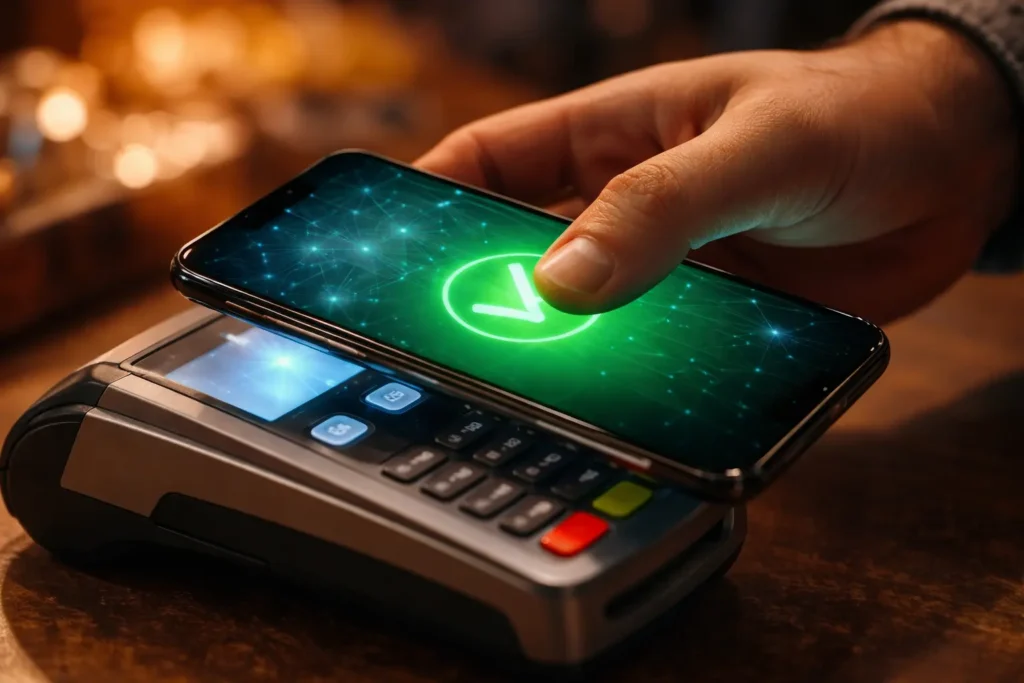
Every tap, every UPI transfer, every contactless payment feels modern and effortless. But behind every transaction is a permanent record and the people reading it are not who you think.
Cashless payments feel like progress. No fumbling for notes. No counting change. Just a tap, a scan, or a click and it’s done. In India, the UPI revolution moved 10 billion transactions a month. In the UK, cash now accounts for less than 15% of all payments. In the US, digital wallets overtook physical cards in 2023.
The world went cashless faster than it understood what cashless actually means.
Because here is what nobody told you when they celebrated the death of cash: every single cashless transaction you make is a data point. And those data points, assembled together, form the most detailed financial profile of your life ever created.
Cash Had One Superpower Nobody Valued Until It Was Gone
Cash was anonymous.
When you paid cash for a meal, a medication, a book, or a gift nobody knew. No record existed. No pattern was logged. No algorithm was fed.
That anonymity wasn’t a flaw in the system. It was a feature. And it’s gone.
Every digital payment you make today is permanently recorded by your bank, your payment app, your card network, the merchant, and in many cases third-party data brokers who purchase transaction data in bulk.
Your spending history is not private. It is a product. And it is being sold.
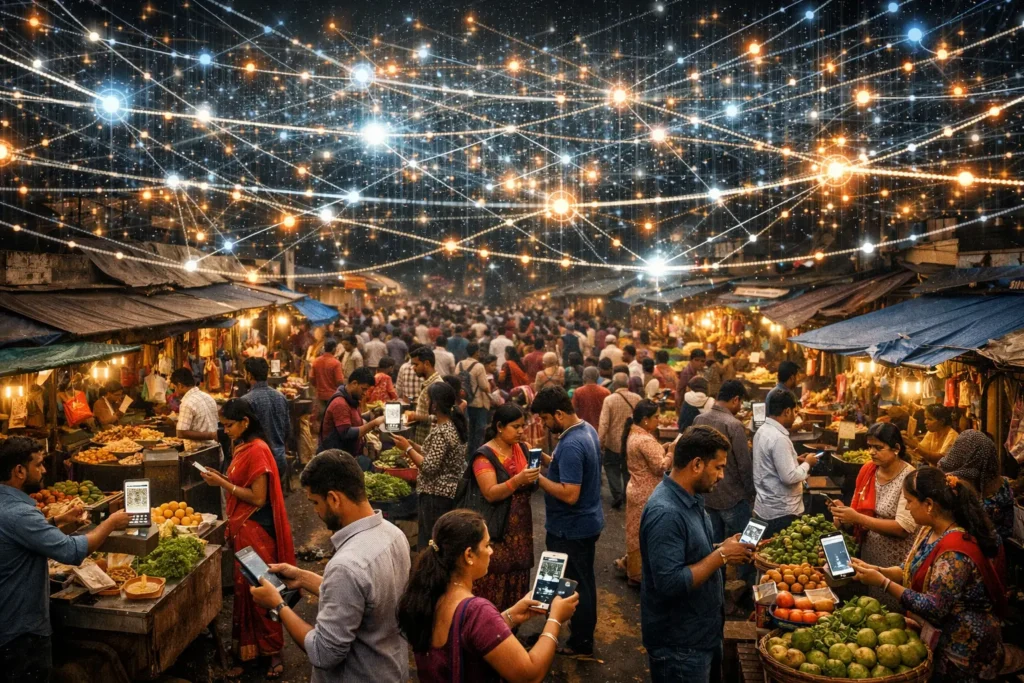
Who Is Actually Reading Your Transactions
Your bank – obviously. But banks do far more than store transaction records. They analyse spending patterns to assess creditworthiness, flag behavioural anomalies, and in some markets sell anonymised spending data to hedge funds and retail analytics firms.
Payment networks – Visa and Mastercard process billions of transactions daily and operate some of the most valuable data businesses on the planet. Mastercard’s data & services division generates billions in revenue annually entirely from insights built on cardholder transaction behaviour.
Governments – in India, every UPI transaction flows through the NPCI infrastructure, giving regulators complete visibility into the nation’s spending behaviour in real time. In the UK and US, financial intelligence units have broad legal access to transaction data without individual warrants in many circumstances.
Data brokers – many fintech apps and payment platforms sell behavioural spending data to third parties. That “free” budgeting app you use to track expenses? It almost certainly monetises your transaction data.
And advertisers – your spending history is the most accurate predictor of future purchases ever discovered. Knowing what you bought last month is worth far more to advertisers than knowing what you searched for.
The Transaction Trail Reveals Everything
A single month of cashless transactions tells a complete story.
It reveals where you live and work through location-tagged payments. It reveals your health through pharmacy purchases, supplement subscriptions, and clinic payments. It reveals your relationships through restaurant patterns, gift purchases, and travel bookings. It reveals your vices, your struggles, and your secrets through purchases most people would never make on a traceable card if they stopped to think.
In India, where UPI has brought hundreds of millions into the formal financial system for the first time, this data is being collected on a population that largely doesn’t know it’s happening. In the UK, open banking regulations designed to empower consumers have simultaneously opened new channels for financial data sharing that most account holders never consented to meaningfully. In the US, your credit card company legally shares your spending data with affiliated companies under privacy policies almost nobody reads.
Cash never did any of this. Cash simply exchanged value and disappeared.
The Trap Nobody Sees
The most sophisticated part of the cashless surveillance trap is that it was sold as convenience.
Rewards points. Cashback. One-tap payments. Buy now pay later. Every innovation was designed to move you further from cash and deeper into the traceable financial system.
And it worked because the convenience is real. The surveillance just came with it, quietly, in the terms and conditions.
What You Can Do Right Now
Use cash deliberately – not for everything, but for purchases you consider private. Medical. Personal. Sensitive. Cash still works everywhere that matters.
Audit your payment apps – check privacy settings on GPay, PhonePe, Paytm, Apple Pay, and PayPal. Many have data sharing settings buried in menus that default to on.
Avoid “free” financial apps – budgeting tools, expense trackers, and credit score apps that are free almost always monetise your transaction data. The product is always you.
In the UK, review your open banking connections at myaccount.google.com and your bank’s connected apps section revoke any third-party access you don’t actively use.
In India, regularly review which apps have UPI access linked to your bank account and revoke permissions for apps you no longer use.
In the US, opt out of data sharing in your bank and credit card privacy settings most institutions offer this under “Marketing Preferences” or “Data Sharing.”
The Real Cost of Cashless
Going cashless didn’t just change how you pay.
It changed who can see your life.
Every transaction is a confession. Every payment is a data point. Every tap of your phone is a sentence in a story about you that you never agreed to tell but that banks, governments, advertisers, and data brokers are reading right now.
Cash wasn’t just money.
It was privacy. And most of the world gave it away for the convenience of not carrying coins.
Spend aware. Stay protected. Financial privacy is still possible but only if you choose it.
© AiwalaNews | Global Finance & Privacy Edition | April 2026
