Somewhere between the moment you open a fitness app and the moment an insurance company adjusts your premium, a silent exchange takes place. No hacker is involved. No law is broken. A company you have never heard of simply knows what your doctor, your bank, and your daily commute already know, and it has every legal right to know it.
This is not science fiction. It is the data broker industry, and it has quietly become one of the most powerful and least understood forces shaping modern life.
The Business of Knowing You
Data brokers are companies that collect, combine, and sell personal information gathered from thousands of sources. Your loyalty card at the pharmacy, your phone’s location history, your credit card statements, your search queries, even the number of steps you took yesterday. None of it feels dangerous in isolation. Together, it forms something closer to a complete portrait of who you are.
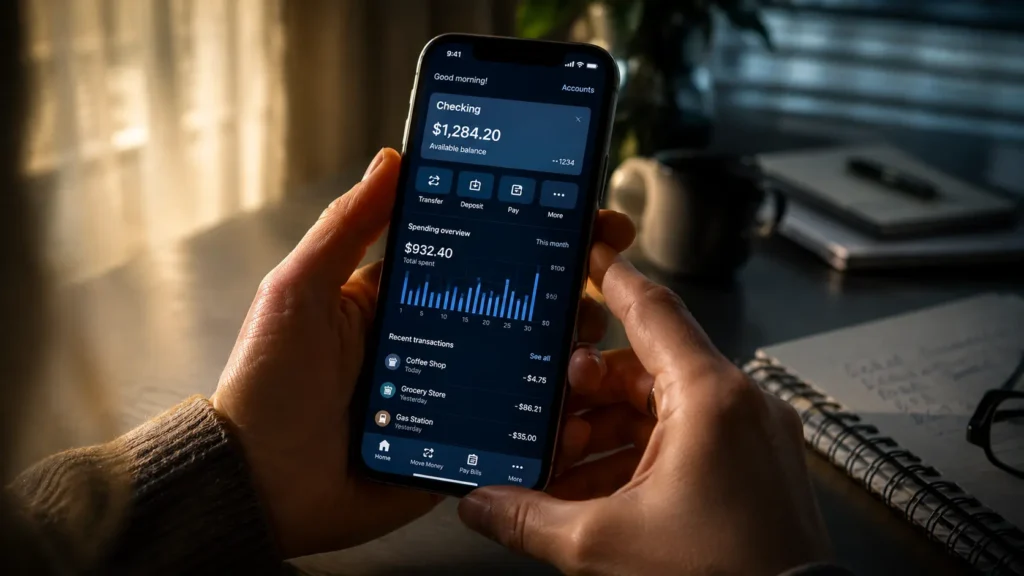
Firms like Acxiom, LiveRamp, and Experian built entire industries around this kind of profiling long before most people understood what a cookie tracker even was. Today, that ecosystem has expanded far beyond advertising. Health apps quietly share wellness data with third party analytics firms. Ride sharing apps log every route you take. Banking apps estimate your income bracket based on spending patterns, then sell that estimate to marketers who want to know exactly how much you can afford to spend.
The unsettling part is not that this happens. It is that it happens with your consent, buried somewhere inside a privacy policy nobody reads.

Why It Is Completely Legal
Most people assume this level of tracking must be illegal. In most countries, it simply is not, at least not yet. Terms of service agreements are written to secure broad permissions, often bundling data sharing rights into vague language about “improving user experience” or “third party partners.”
Regulations like the GDPR in Europe and the CCPA in California were designed to slow this down, giving users the right to know what is collected and to request deletion. Yet enforcement remains inconsistent, and most brokers operate across borders where oversight is thin or nonexistent. A company registered in one country can legally purchase and resell your data even if you have never lived, worked, or shopped there.
This is the paradox at the center of modern privacy law. The system is not broken. It was simply never designed to protect you from something this data driven.
What They Actually Know
Consider what a single combined profile can reveal. Your income can be estimated from your spending habits, your zip code, your employer, and your device type. Your health patterns emerge from fitness trackers, prescription refill apps, and even the time you spend browsing medical symptoms online. Your daily route is logged by GPS enabled apps that most people forget are running in the background.
Put together, these three data points alone can predict your habits with startling accuracy. Insurance companies use similar profiles to adjust premiums. Employers have used background check services built on broker data during hiring decisions. Political campaigns have purchased voter profiles built almost entirely from consumer data, not public records.
None of this required a security breach. It required only a checkbox you tapped without reading.

The Human Cost Behind the Convenience
It is easy to dismiss this as harmless marketing noise, until it affects something personal. A woman in the United States once discovered her period tracking app had shared data that was later used in a legal proceeding against her. A man applying for a loan found his rate quietly adjusted based on a spending profile he never knew existed. These are not rare glitches. They are the natural outcome of an industry built to monetize behavior at scale.
The convenience we enjoy, faster checkouts, smarter recommendations, personalized health insights, comes at a cost that is rarely stated up front. Every free app has to make money somehow, and increasingly, the answer is you.
What You Can Actually Do
Complete invisibility is unrealistic in 2026, but meaningful control is still possible. Reviewing app permissions regularly, disabling unnecessary location access, and opting out of data broker listings through services designed for exactly that purpose can measurably reduce exposure. Reading even a summarized privacy policy before granting access to health or financial apps remains one of the simplest forms of protection available.
Governments are slowly catching up too. New proposals in the European Union and several US states aim to tighten consent requirements and limit cross border data sales. Whether these laws arrive fast enough to matter is still an open question.
A Quiet Kind of Power
What makes this story unsettling is not corporate greed alone. It is how ordinary the process feels. No dramatic hacking scene, no villain twirling a mustache, just millions of small agreements clicked away in seconds, building a system that knows more about the average person than their closest friends do.
The company that knows your income, your health, and your daily route was never hiding. It was hiding in plain sight, inside every terms and conditions box we have ever accepted without reading.
Read also this: https://aiwalanews.com/data-privacy-laws-explained-2026
Read also this: https://aiwalanews.com/how-apps-track-your-location-silently
© AiwalaNews | Global Tech & Privacy Edition | April 2026
