Years ago, on a layover in Denver, I got stuck for almost an hour watching a stretch of airport wall glass overlooking part of the baggage system below. Suitcases zipped past on a maze of belts, splitting off in different directions every few seconds, some diving downward, others merging into new lanes entirely, all without a single human hand touching them. I remember thinking how strange it was that something this elaborate handles a piece of my life every time I fly, and I’d genuinely never once wondered how it worked.
That curiosity turned into an actual habit of asking airline staff, TSA officers, and eventually a few baggage handlers themselves what really happens the moment a suitcase disappears behind that rubber flap at check in. The honest answer is a lot more sophisticated than most travelers assume.
The First Stop: A Tag That Does All the Talking
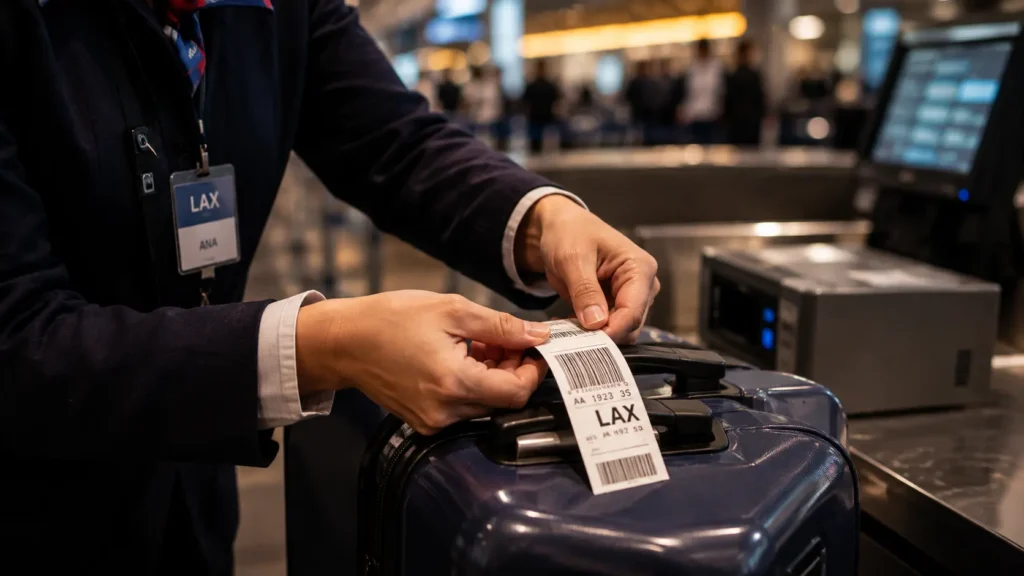
The moment your bag is tagged at the counter, that little sticker becomes its entire identity for the rest of the journey. Modern bag tags carry a barcode, and increasingly an RFID chip, encoding your flight number, destination, and connection details. Industry rules under a standard called Resolution 753 now require airlines to scan and track checked bags at four separate checkpoints, at check in, at aircraft loading, during any transfer, and again at baggage claim, which is part of why lost luggage has actually become somewhat less common than it used to be.
Some agents also attach what’s known in the industry as a bingo tag, a small backup barcode sticker stuck directly to the suitcase itself, purely as insurance in case the main tag rips off somewhere along the belt.
Into the Maze
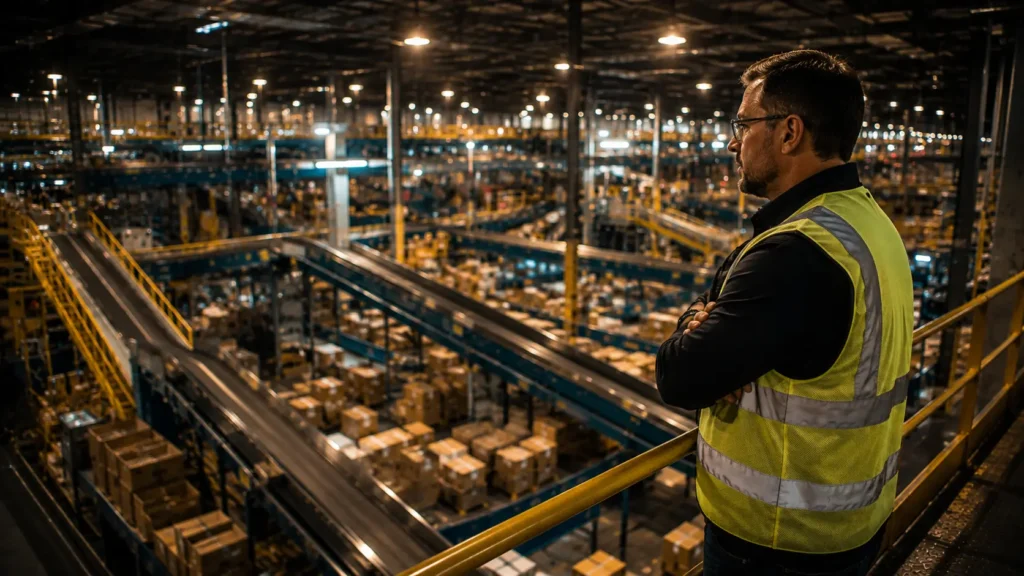
From there, your bag enters what’s officially called the Baggage Handling System, an intricate network of conveyor belts, diverters, and sensors that can stretch for miles inside a large airport. Denver International, as it happens, is a genuine extreme case, its system includes more than five miles of conveyors, nearly twenty miles of track, and thousands of individual carrier vehicles moving bags around behind the scenes. Most airports are far smaller, but the basic logic is identical everywhere: your bag gets scanned repeatedly as it moves, and automated sensors track roughly where it is and how long it’s been sitting in any given zone.
At San Jose International, for example, staff have described a system using more than 800 photo sensors just inside the sorting area alone, quietly tracking every bag’s progress the entire time it’s out of your sight.
Every Bag Gets X-Rayed, No Exceptions
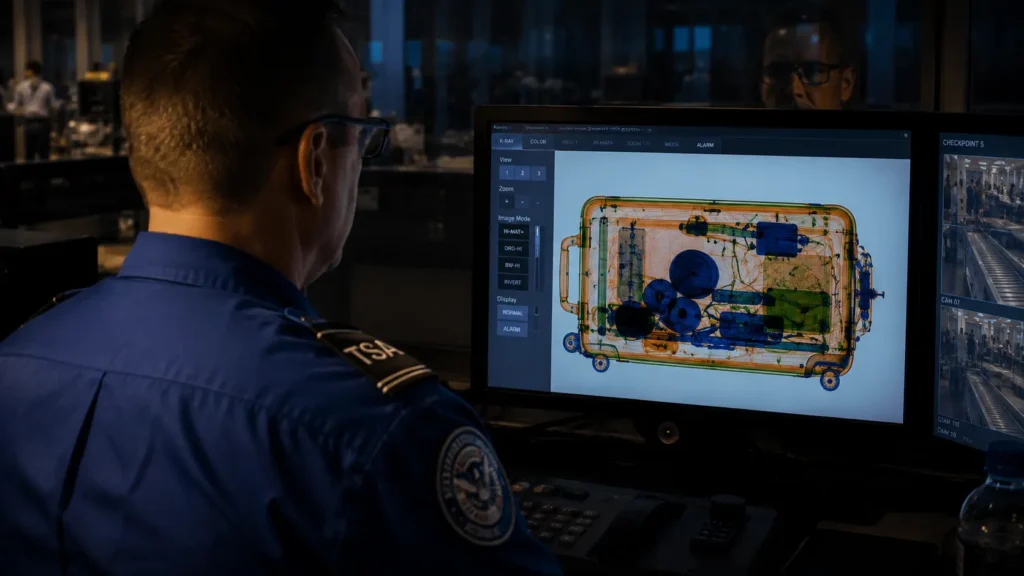
Here’s the part that surprises a lot of people. Every single checked bag in the United States goes through security screening before it’s allowed near an aircraft, roughly 1.3 million bag screenings happen across the country on an average day. Most airports rely on Explosive Detection Systems, machines that combine X-ray and CT scanning to build a detailed three dimensional image of everything packed inside.
If the image looks clean, the bag continues on its way automatically, no human ever touches it. If something looks ambiguous, the scan gets flagged and sent to a Transportation Security Officer for a closer look. Sometimes that’s enough to clear it. Other times, the bag gets physically pulled aside and opened by hand in a separate inspection area.
I spoke with a former TSA screener who worked checked baggage inspection for several years before moving into aviation security consulting (she asked not to be named since she’s under a nondisclosure agreement tied to her current employer). Her description matched everything I’d read: “People assume we’re rifling through bags constantly. In reality, the machine clears the overwhelming majority instantly. We only get involved when the scan genuinely can’t rule something out.”
If your bag does get opened, TSA leaves a printed notice inside letting you know it happened, and if a lock had to be cut because it wasn’t TSA approved, that’s simply the cost of using a lock the agency’s master keys can’t open.
Sniffer Dogs Still Have a Job
Even with all this technology, some airports still bring in explosive detection dogs for spot checks, particularly when there’s been a specific tip about a flight or a bag. Studies on detection accuracy vary a fair amount depending on training and conditions, but airports haven’t fully phased dogs out, they still add a layer that pure scanning technology doesn’t fully replace on its own.
The Final Stretch
Once a bag clears screening, the system routes it, using that same barcode or RFID tag, toward what’s called a make up area, essentially a staging zone where every bag heading to your specific flight gets physically gathered together. From there, baggage handlers load everything onto carts and tow it out to the aircraft, where it’s loaded into the cargo hold, sometimes by hand, sometimes using automated loading systems depending on the airport and aircraft size.
Why It Still Sometimes Goes Wrong
Given how many separate handoffs are involved, tight connections remain the single biggest reason bags get separated from their owners, a bag simply doesn’t make it through the full system in time before its flight’s cargo door closes. Gate checked bags face a slightly different risk too, they can still get bumped off a flight entirely due to aircraft weight limits, even after making it all the way to the tarmac.
Next time your suitcase vanishes behind that rubber curtain, it’s worth remembering what’s actually happening on the other side, a genuinely impressive chain of scanners, X rays, sensors, and quiet human judgment calls, all working in the background to make sure a piece of your life shows up exactly where you’re about to land.
Read also this: Inside The Machines That Sort Millions Of Packages Every Day | Why Two People See Different Flight Prices for the Same Seat
© AiwalaNews | Global Tech & Privacy Edition | April 2026
