
A few years back, I stood in line behind an older man at a corner ATM the night before a holiday weekend, half expecting the machine to flash “unable to dispense” the way it sometimes does at the worst possible moment. It didn’t. He got his cash, I got mine, and the guy behind me got his too. I remember thinking about how strange it was that a metal box bolted to a wall somehow “knew” that everyone on that block would want twenties that particular Friday night.
Turns out, it did know, or at least a system connected to it had already guessed.
It’s Not Guesswork, It’s Forecasting
The idea that a bank simply fills an ATM and checks back when it looks low is mostly outdated. Modern cash management runs on predictive analytics, software that studies years of withdrawal history for a specific machine and builds a forecast of exactly how much cash it’ll need on any given day. This isn’t a rough estimate either. Cash forecasting platforms used by major cash logistics companies pull in location specific data, nearby events, paydays, holidays, and even weather patterns, then use that mix to calculate the ideal load amount for each individual machine, not a blanket number applied across an entire city.
The math behind this has gotten seriously sophisticated. Researchers testing forecasting models against real withdrawal data from a European ATM network found that machine learning techniques, methods like XGBoost, consistently outperformed older statistical approaches at predicting exactly how much cash a specific machine would need on a given day.
Two Very Different Philosophies
There are actually two competing approaches to keeping a machine stocked, and understanding the difference explains a lot about why some ATMs feel more reliable than others.
The first is what’s called the reactive method: refill the machine once its cash level drops to a set threshold. Simple, but risky, since a sudden spike in demand, say, an unexpected local event, can drain a machine faster than a scheduled refill truck can respond.
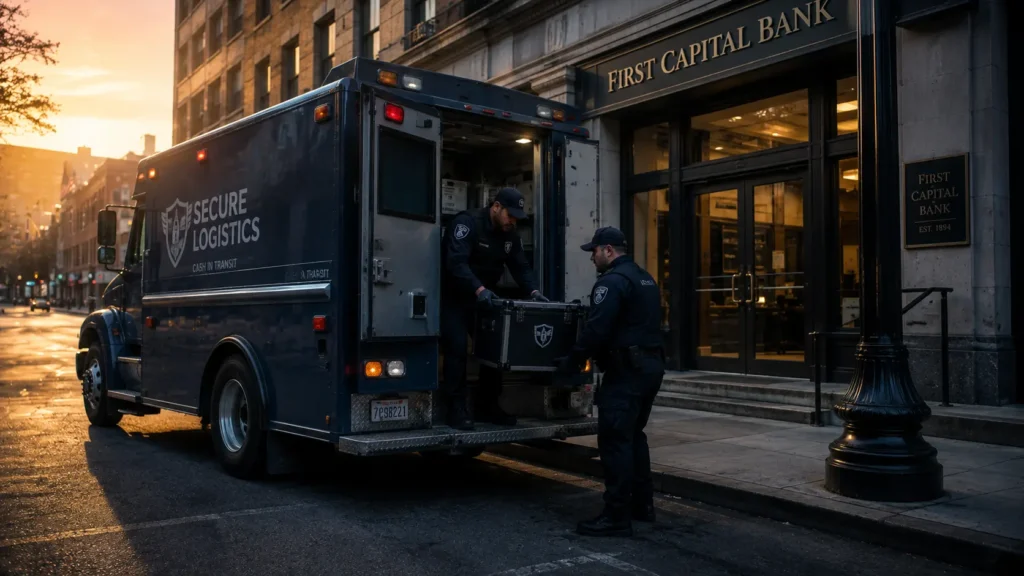
The second, and now the industry standard among larger operators, is the proactive approach. Instead of waiting for cash to run low, the system predicts upcoming withdrawal patterns in advance and schedules the refill before any shortage becomes a real risk. One added benefit rarely mentioned outside the industry: proactive scheduling lets operators bundle refill routes together efficiently, hitting several nearby machines on one planned run instead of sending an armored truck out on a costly emergency trip for a single location.
The Trucks Are Getting Smarter Too
I spoke with someone who spent several years managing logistics for a regional ATM network before moving into consulting (he asked not to be named since his current firm restricts comments on client operations). His explanation matched what the research backs up: “Nobody wants an armored truck making unnecessary stops. Fuel, security, staffing, all of that costs real money every single trip. The whole industry has shifted toward planning routes days in advance based on forecasted need, not driving around reacting to alerts.”
That shift shows up directly in how cash in transit companies now describe their own systems, with routing algorithms dynamically calculating the most efficient path for armored vehicles in real time, rather than following the same static route regardless of actual demand that day.
Why Machines Sometimes Hold Way More Than They Need
Here’s a detail that surprised me. Operators don’t always load a machine with exactly what the forecast predicts, they often intentionally overstock by a meaningful margin. It sounds wasteful on paper, extra idle cash sitting in a machine earns nothing for the bank while it sits there, but the alternative, a machine going dry mid transaction, damages customer trust in a way that’s far more expensive than a little unused inventory. Industry data shows this tradeoff clearly: overstocking ties up idle cash, while emergency refills triggered by poor forecasting cost significantly more in rushed transport and labor than a planned route ever would.
What Actually Happens When It Fails
None of this means the system is flawless. A sudden, unpredictable spike, a local festival nobody flagged in advance, a natural disaster prompting a wave of cash withdrawals, a nearby bank branch closing unexpectedly, can still catch even a well forecasted machine off guard. When that happens, cash in transit companies now lean on real time monitoring dashboards that track an entire ATM fleet’s health simultaneously, flagging a machine running low well before it actually empties, so a truck can be redirected before a customer ever sees an error message.

The Quiet System Behind a Simple Transaction
That night at the corner ATM, none of us waiting in line had any reason to think about forecasting models, armored truck routes, or overstocking margins. That’s sort of the entire point. A good cash management system is invisible by design, the same way the machines sorting packages behind an online order are invisible, or the belts moving your suitcase through an airport are invisible. You only ever notice these systems the rare moment they fail. The rest of the time, a quiet piece of predictive software somewhere already knew, days in advance, that you and everyone standing near you that night would want cash, and made sure it was there before you ever walked up.
Read also this: Inside The Machines That Sort Millions Of Packages Every Day | What Happens To Your Suitcase After Airport Check In
© AiwalaNews | Global Tech & Privacy Edition | April 2026
